
“Dr. Elaine Ingham Changed Soil Science Forever—Here’s Why It Matters on Your Farm Today”
This meeting was a tribute to Elaine Ingham, a soil biologist who significantly impacted the regenerative farming movement through her work on soil food web principles. The session featured presentations from several colleagues who worked closely with Elaine, including Gerhard Grasser, Dr. Mary Cole, and Graham Lancaster, who shared personal stories about how Elaine’s teachings transformed their approaches to soil health and farming practices.
The participants discussed Elaine’s contributions to understanding soil microbiology, her impact on farmers through training courses, and her pioneering work in demonstrating that biological farming methods could reduce or eliminate the need for chemical fertilizers. The discussion highlighted specific examples of Elaine’s influence, including her work with Martin Williams and Tony Evans, and her role in preventing the release of a potentially harmful bacteria in New Zealand.
The conversation ended with participants acknowledging how Elaine’s legacy continues through their ongoing work and the educational resources she created, which will continue to inspire future generations of farmers and soil scientists.
As the tributes to Elaine Ingham came to a close, astrophysicist‑turned‑soil advocate Philip Gregory joined to share his own. His journey from discovering 4,000 planets to studying soil health led him to write “Pathway to Regeneration: An Astrophysicist’s Journey to Food, Health, and Climate”. Explore his powerful story here: Pathway to Regeneration on Blurb
Chapter Highlights:
Soil Health and Composting Presentations
Helen Disler welcomed attendees to the call and introduced the presenters, including Gerhard Grasser from Agrisolutions, Dr. Mary Cole, and Graham Lancaster from Environmental Analysis Laboratory. Helen highlighted the connection between Gerhard and Elaine, as well as Gerhard’s expertise in composting and healthy soils. The meeting was set to feature presentations from these experts on soil health and composting.
Soil Biology Journey and Impact
Gerhard Grasser shared his personal journey with Elaine Ingham, describing how her work on soil biology and the soil food web significantly impacted his understanding and approach to farming. He recounted attending a course led by Elaine and Dr. Arden Anderson in 2000, which inspired him to pursue further education in soil microbiology. Over the next five years, Gerhard worked with Elaine to introduce her principles to approximately 500 people in Victoria through courses and workshops.
Soil Science Legacy Continuation
Dr. Mary Cole shared her memories of working with Elaine, describing their collaboration on soil microbiology and the synergy between Elaine’s soil food web concepts and Mary’s laboratory system. She expressed her commitment to continuing Elaine’s legacy and working with the Soil Food Web team, noting that young people are taking over to carry forward Elaine’s work. Mary also recalled personal anecdotes about Elaine’s dedication to soil science and her approachable nature,.
Elaine’s Impact on Soil Biology
Graham Lancaster shared his memories of Elaine, describing her as someone who significantly impacted the field of soil biology and changed many lives around the world through her teachings. He explained how Mara Seeds built their business based on Elaine’s concepts, particularly regarding compost, bio chars, and compost teas. Graham expressed that Elaine’s legacy continues to influence soil biology research, including his own planned PhD work on the topic.
Soil Microbiology Implementation Success
The group discussed the impact of focusing on soil microbiology rather than traditional chemical assessments, with Graham Lancaster highlighting how this approach helped reveal previously locked-up nutrients. Helen shared success stories, including one farmer who saved $30,000 in the first year through improved soil management. The discussion concluded with updates about Martin Williams’ progress with local farmers, who have prepared 30 tonnes of compost for the season, and recognition of Tony Evans’ previous collaboration on webinars and conferences.
Elaine’s Composting Impact and Legacy
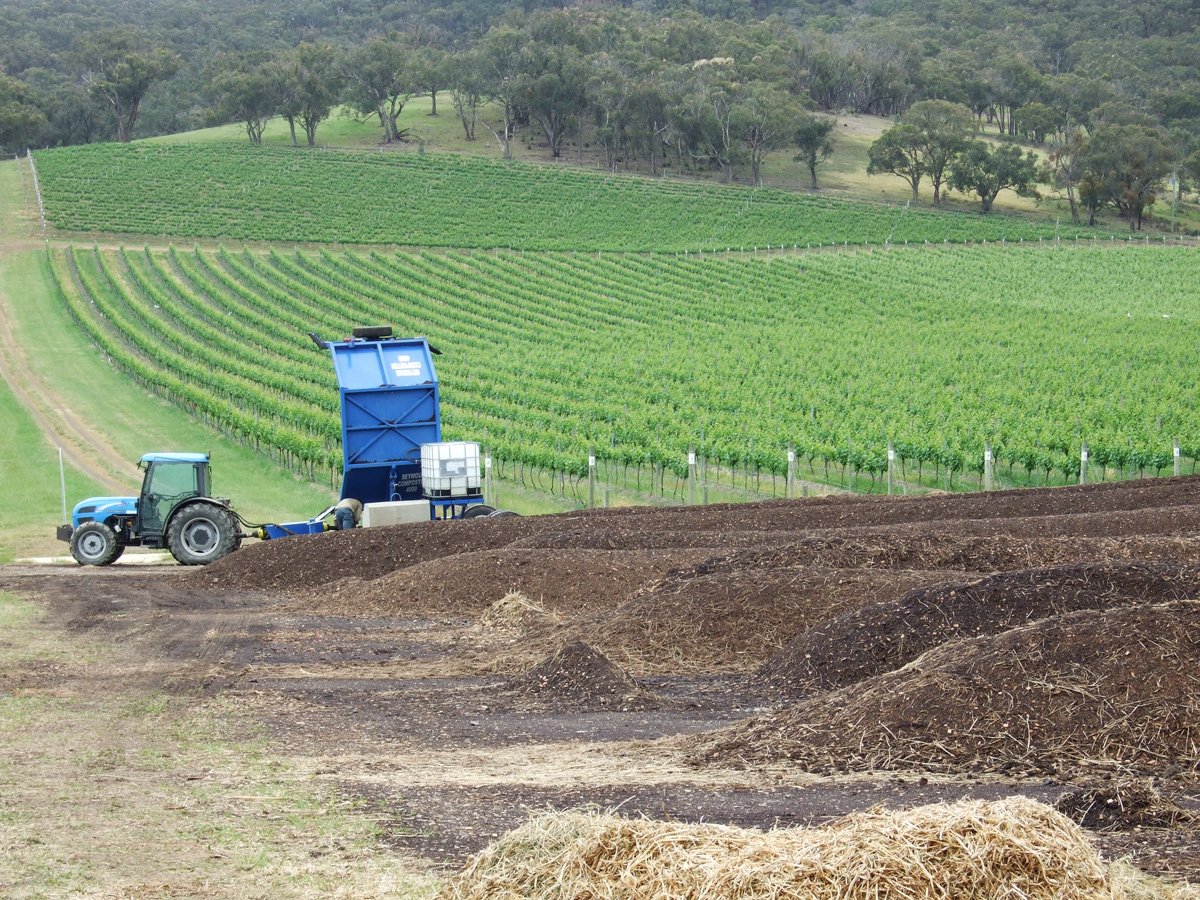
Tony Evans shared his experience working with Elaine, highlighting key events from their first meeting in 1998 to her 2011 presentation in Australia, which attracted around 350 people. He described a successful case study from Andrew Whiting’s farm, where compost application led to improved pasture growth and reduced need for reseeding. Tony noted that Elaine’s work significantly contributed to raising awareness about biology in Victoria and helped establish their commercial compost business in 1998.
Elaine’s Contributions to Regenerative Farming
The group discussed Elaine’s significant contributions to soil health and regenerative farming, highlighting her work in developing online courses, research on composting, and her role in preventing the release of a harmful bacteria in New Zealand. Tony shared how Elaine’s work provided a foundation for his business, and he will be speaking about composting on farms at a conference in New Zealand next month.
Sustainability Research Transition Story
Philip Gregory shared his transition from astrophysics research to focusing on sustainability after reading about soil degradation in Scientific American. He spent six years researching how to sustain human life on Earth, during which he discovered Elaine Ingham’s work on soil biology and took four courses from her. This research led him to write a book called “Pathway to Regeneration.”
Regenerative Agriculture Community Garden Journey
Philip Gregory shared his journey from astrophysics into areas of food, health, climate, and complexity, which led him to start a community garden focused on regenerative agriculture principles. He mentioned his efforts to persuade the Canadian government about these practices.
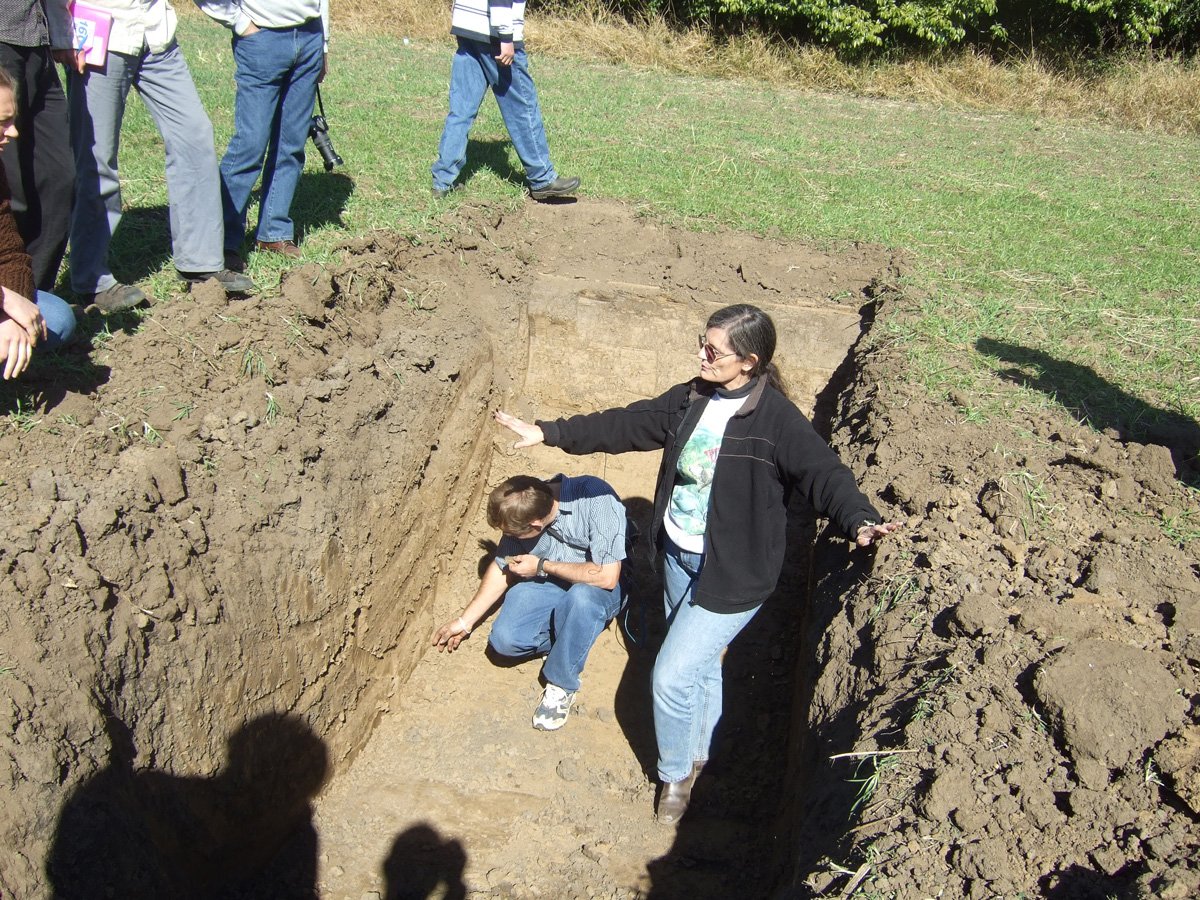
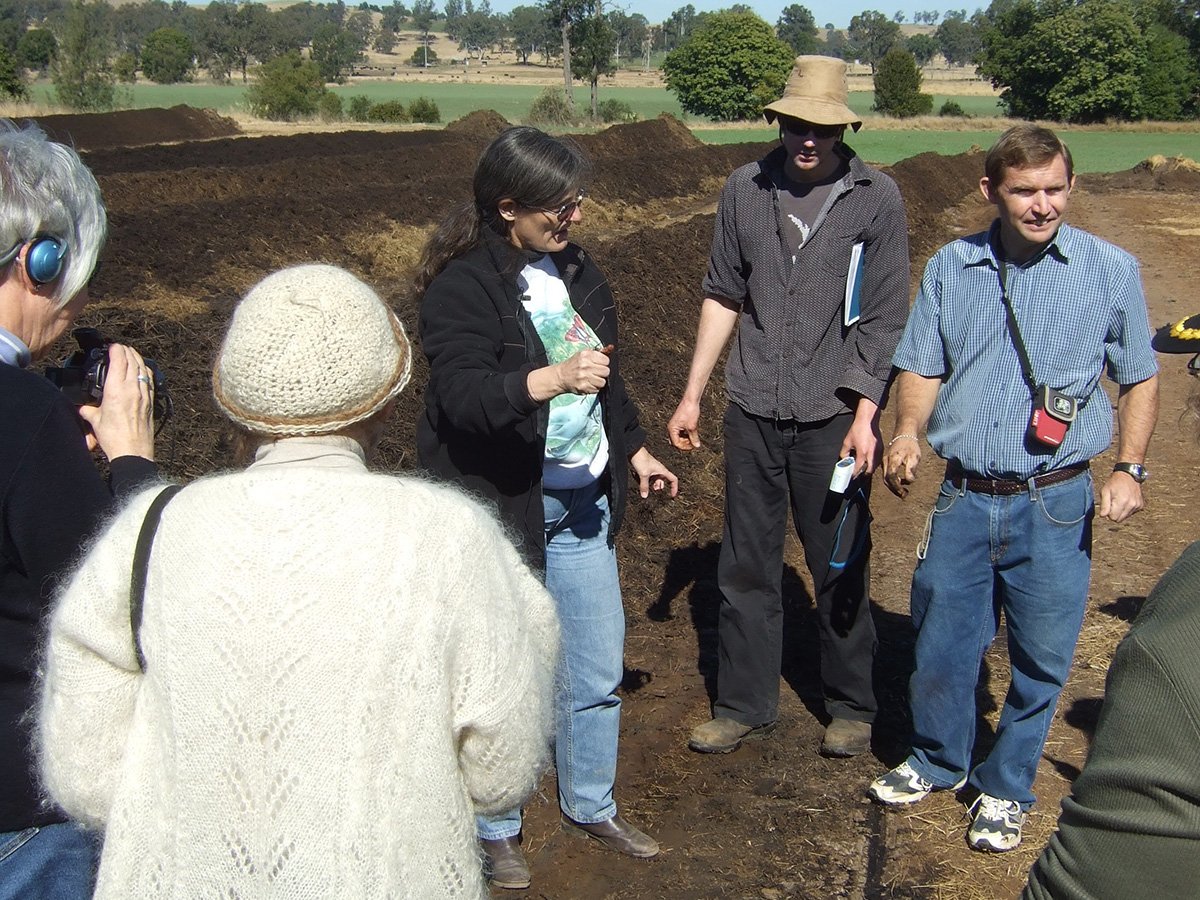
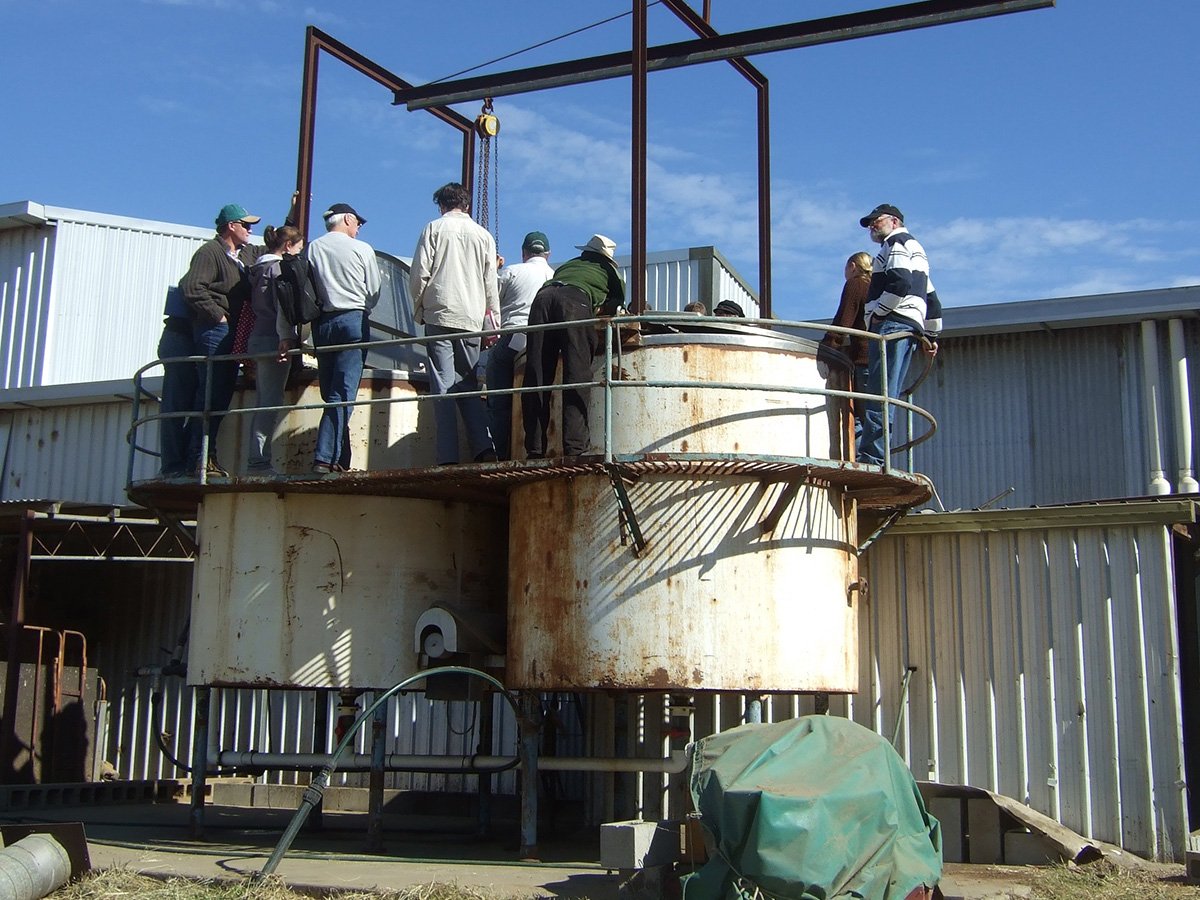
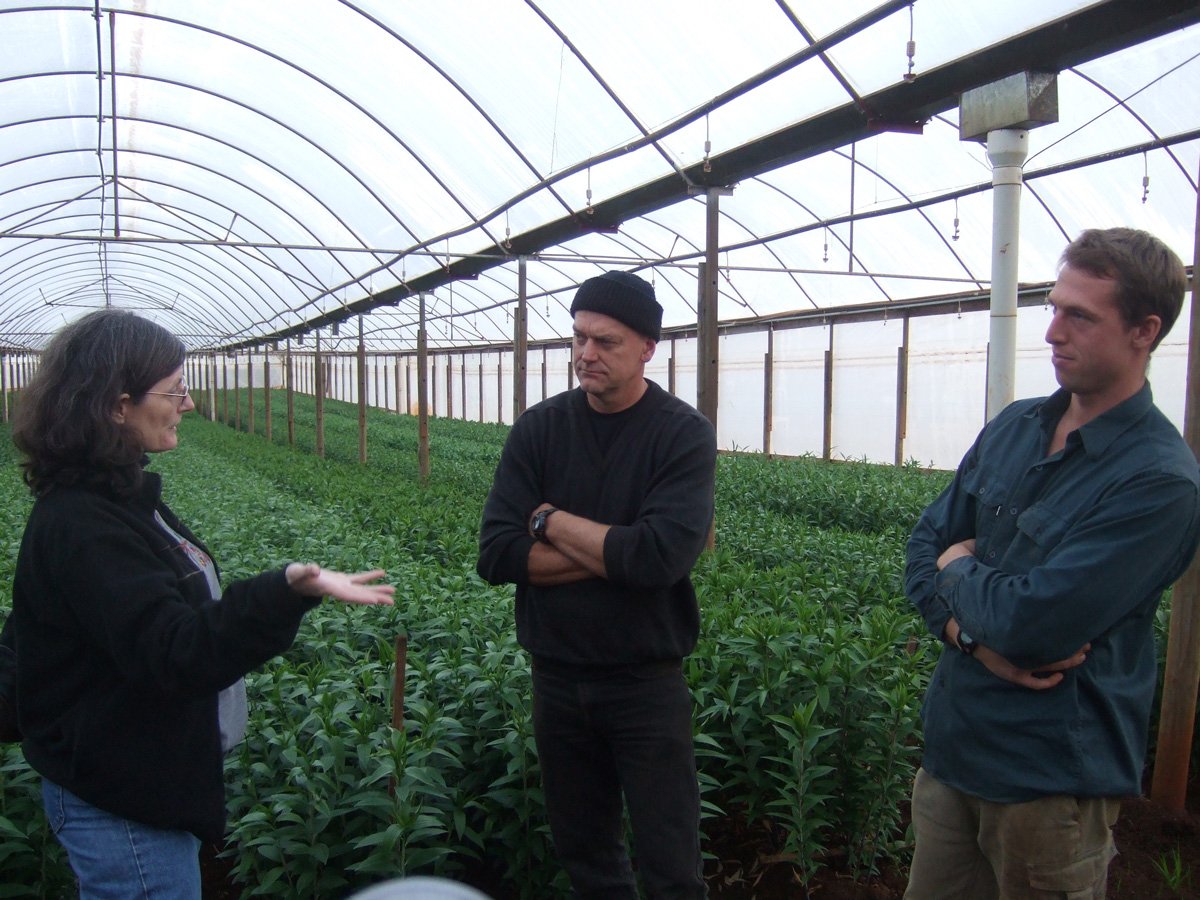
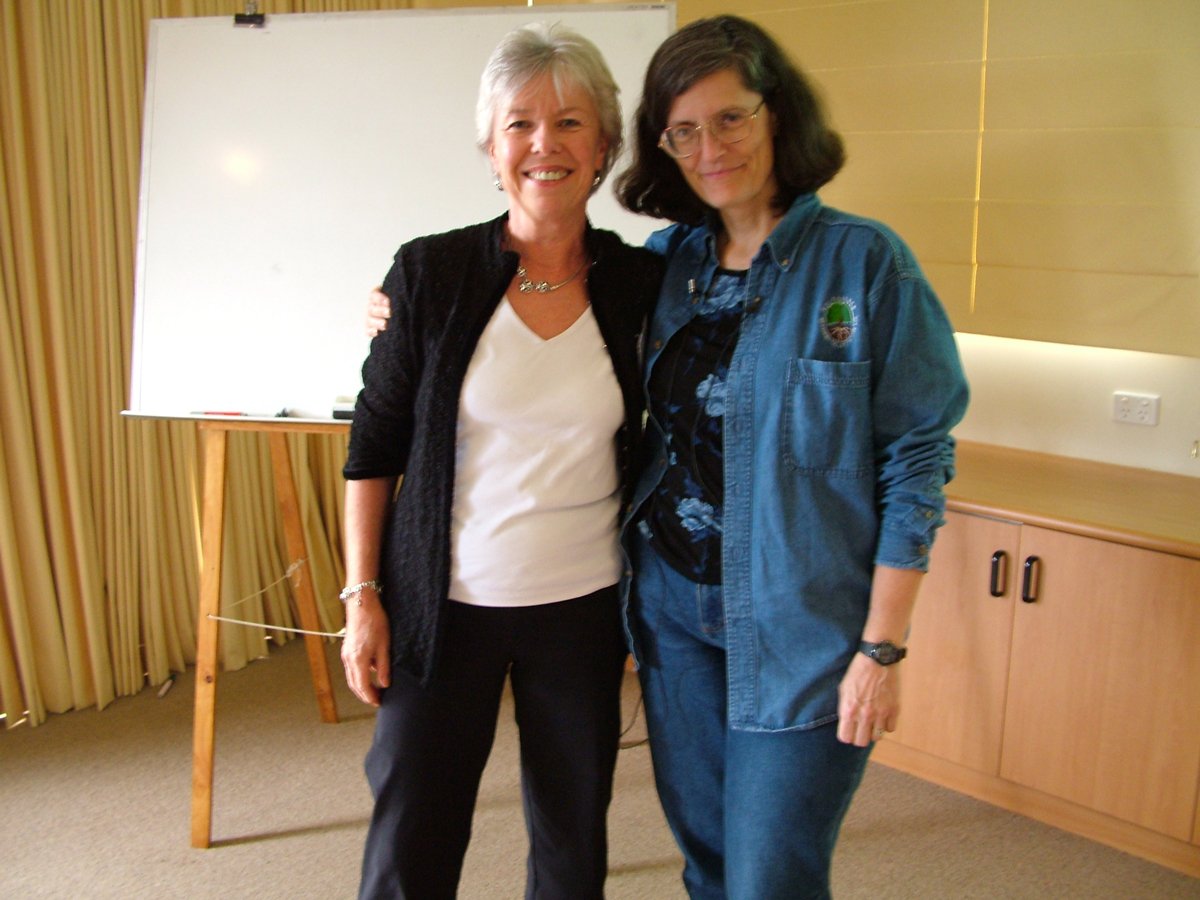
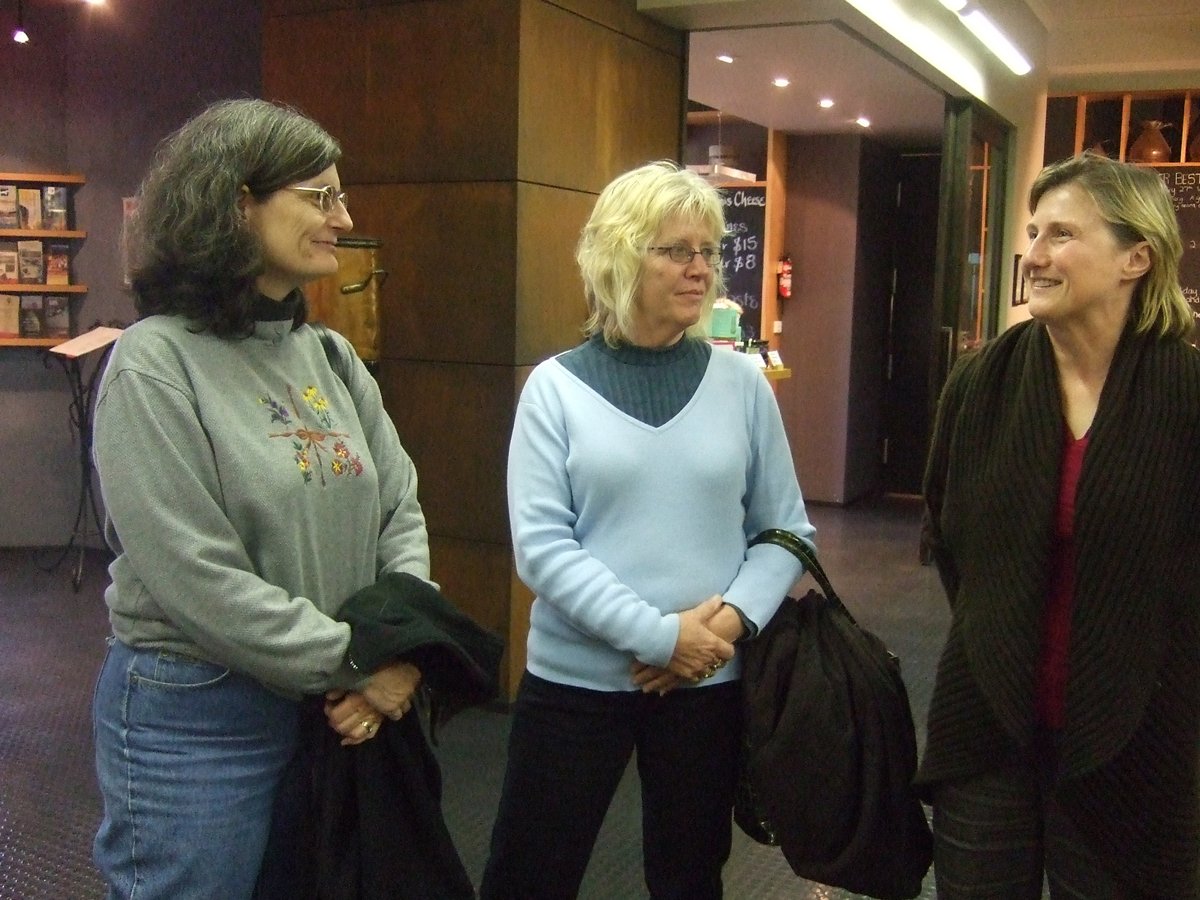
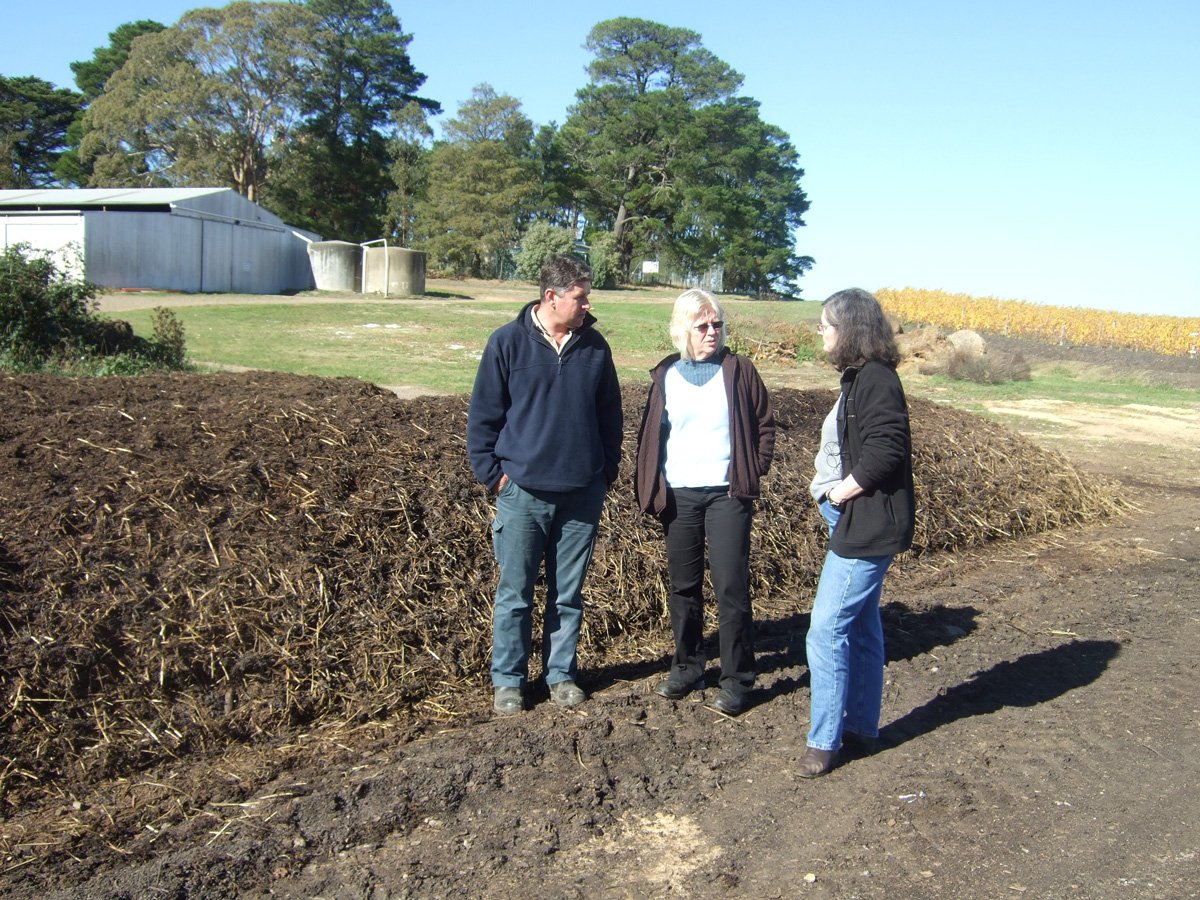
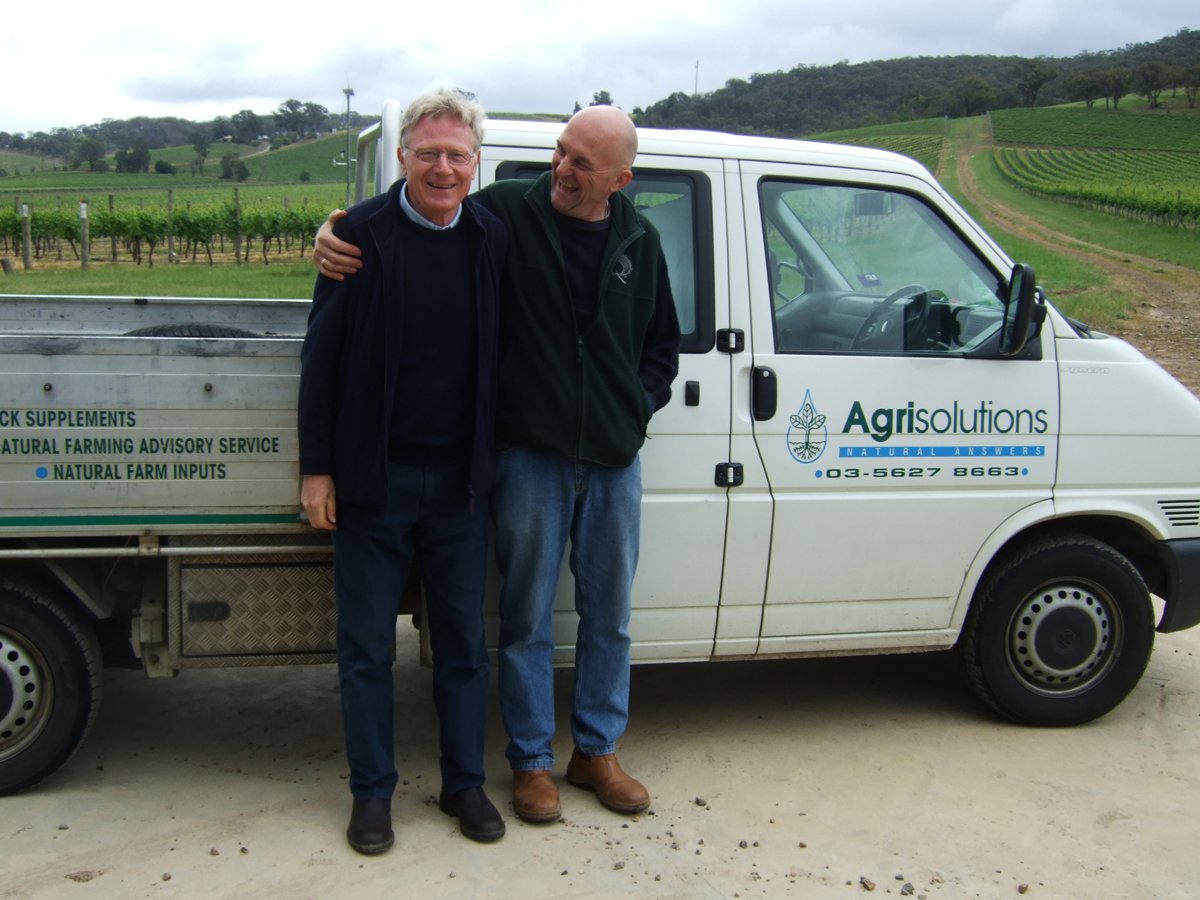
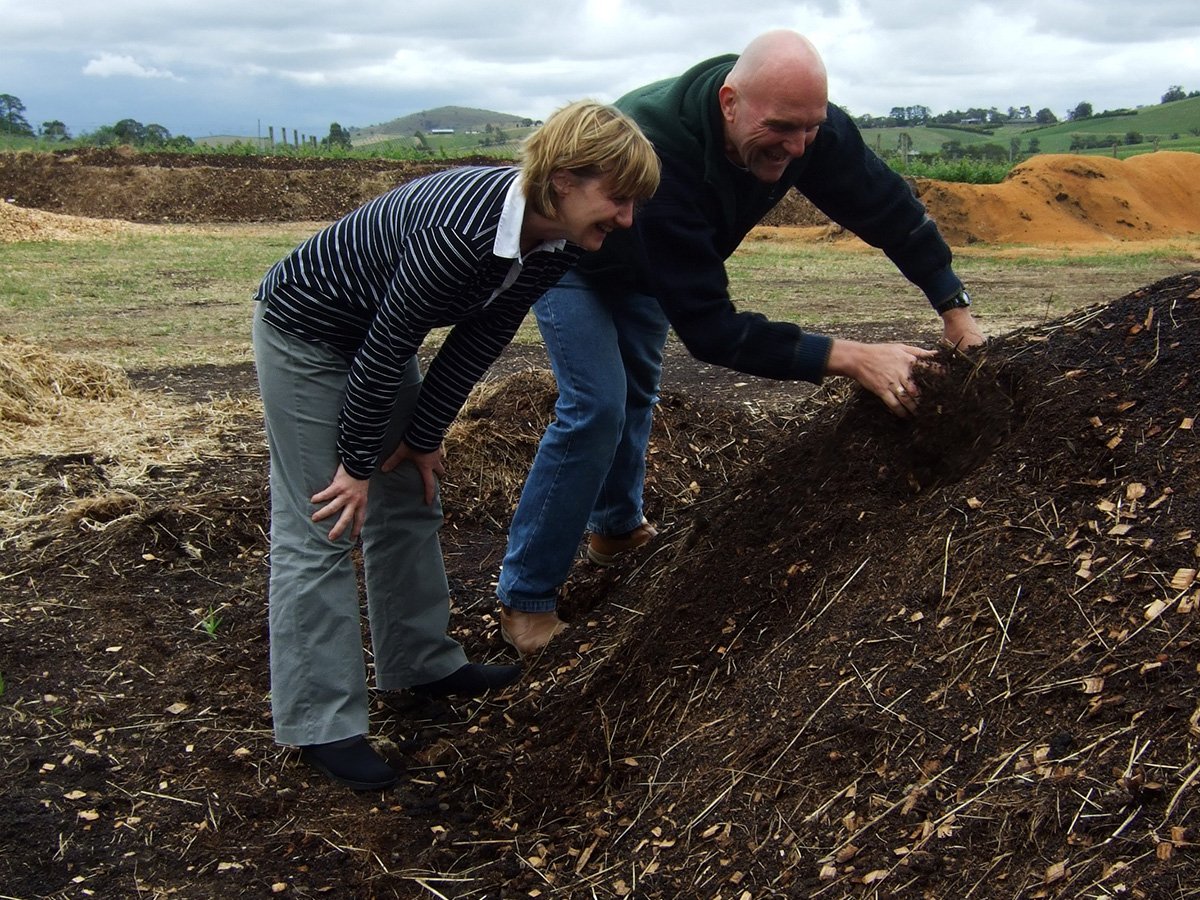
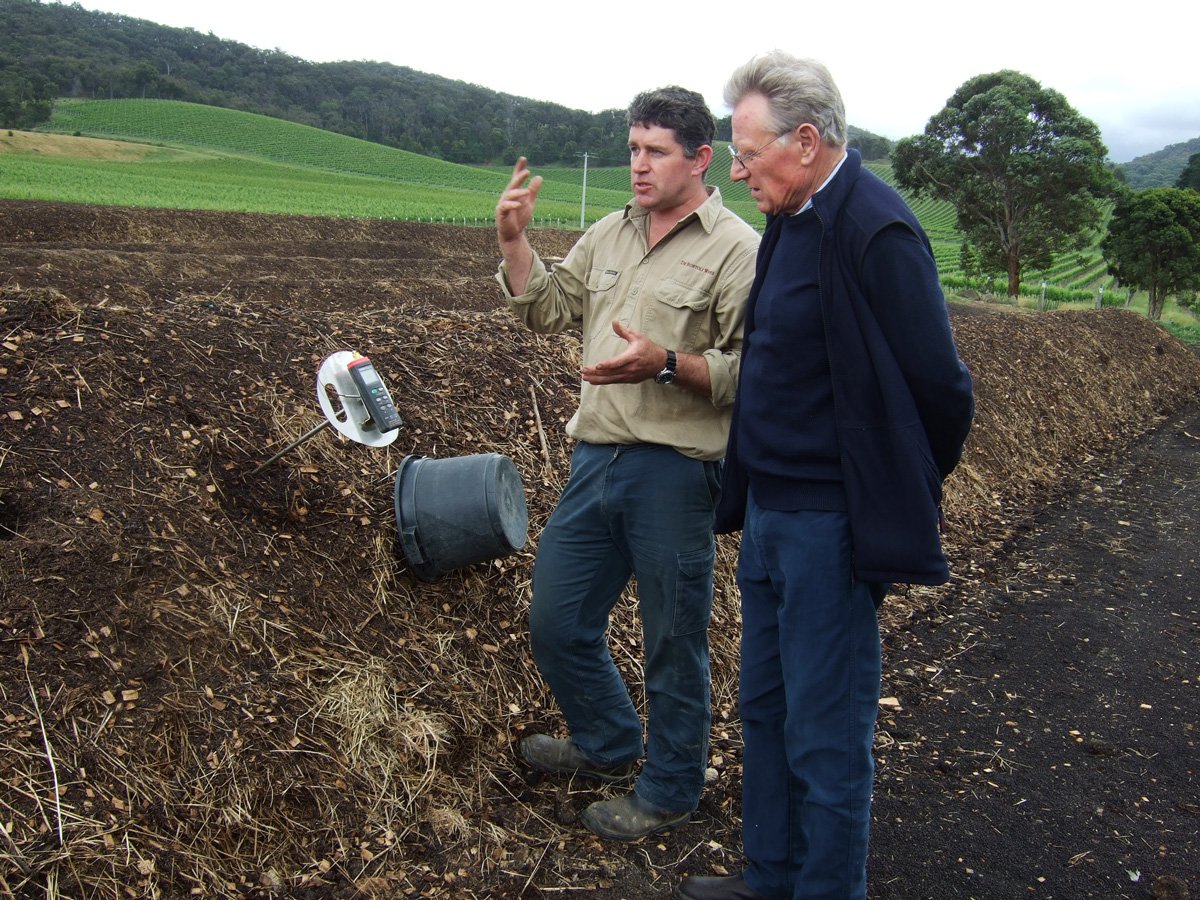
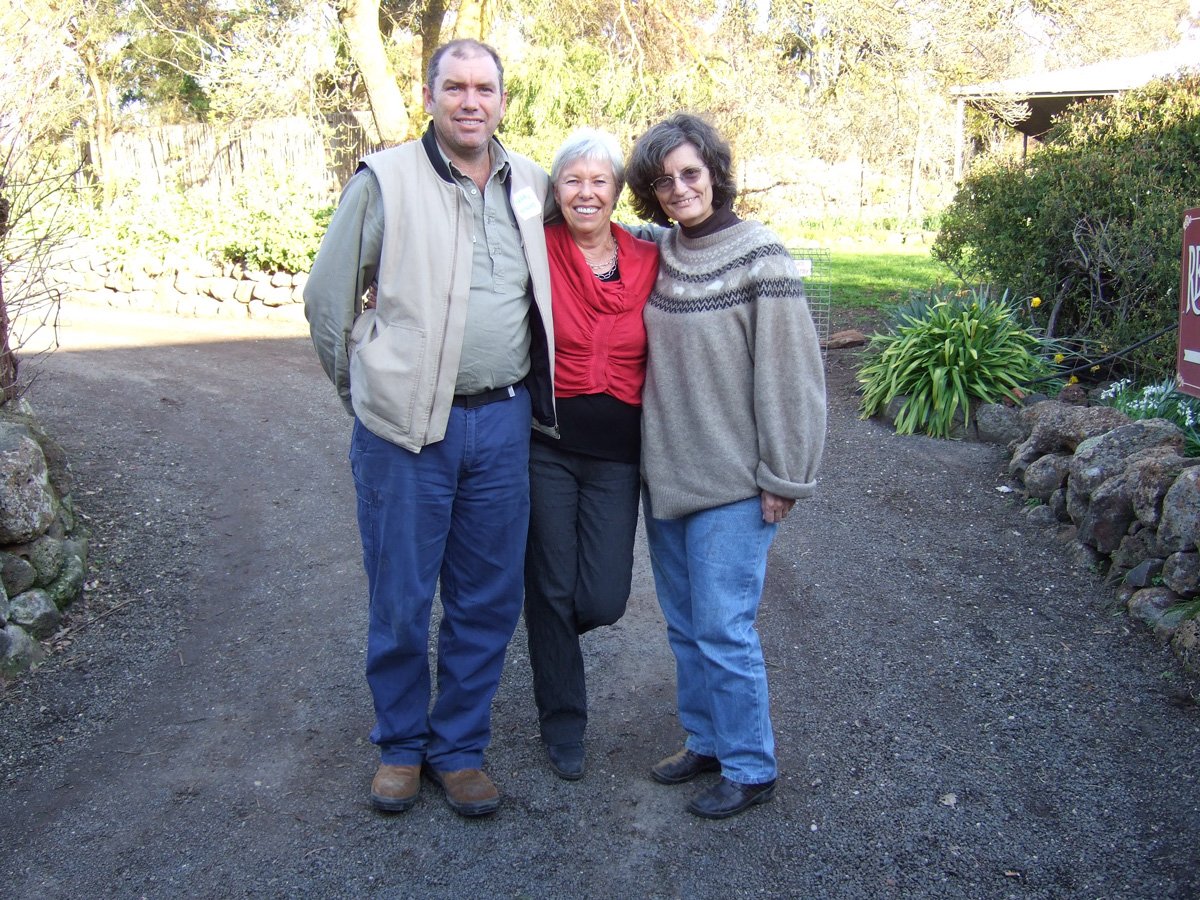
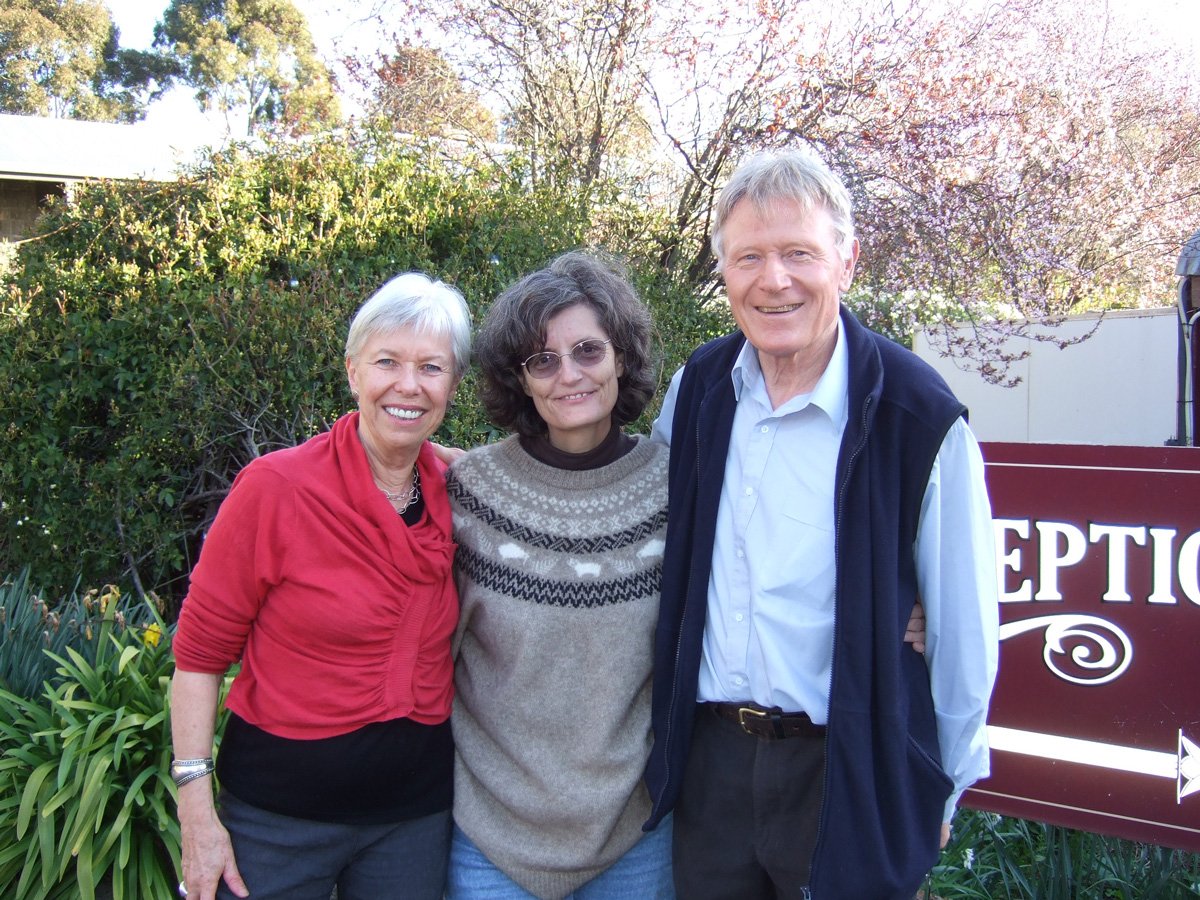
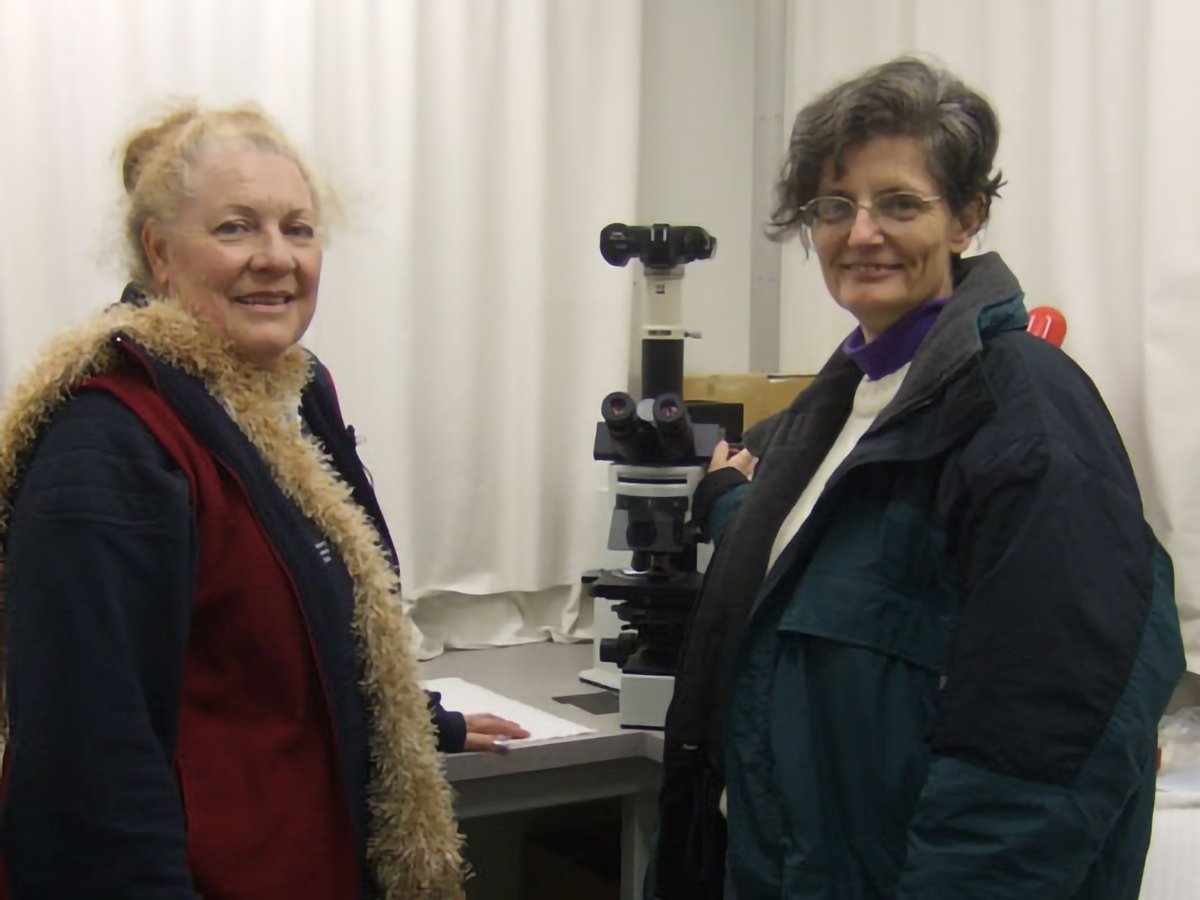
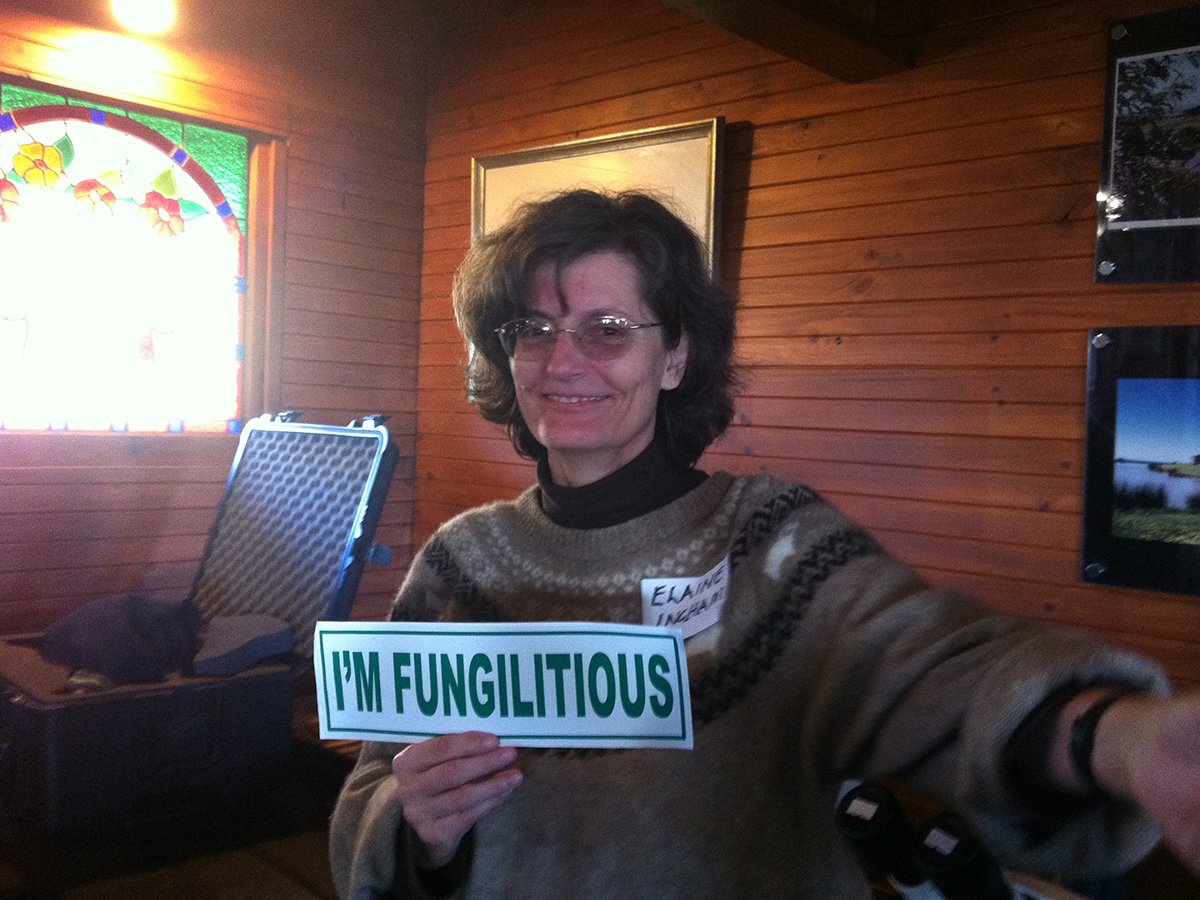
Elaine Ingham Through the Years: Soil Food Web in Action
Additional Reading: Elaine Ingham and the Klebsiella Controversy
Beyond her pioneering soil food web work, Dr. Elaine Ingham also became known for raising critical concerns about genetically engineered microbes. One of the most notable cases involved Klebsiella planticola, where she warned of potential ecological risks if such organisms were released unchecked.
Her stance sparked debate but underscored her commitment to protecting soil health and ensuring that biological farming methods remain safe and sustainable. Read the full story here: Elaine Ingham and the Klebsiella Controversy
Restore your farm with Dr. Elaine Ingham’s Soil Food Web
Healthy soil isn’t just dirt—it’s a living ecosystem. For decades, farmers focused mainly on chemistry: nutrients, pH, and amendments. But Dr. Elaine Ingham changed the conversation.
She revealed that beneath every field lies a dynamic web of life—microbes, fungi, and organisms working together to cycle nutrients, build structure, retain water, and support resilient plants. This living network is the Soil Food Web, and it’s the missing link in truly regenerative agriculture.
Dr. Elaine’s legacy is clear: if we want productive, resilient farms, we must understand and nurture the life in our soil.

