
Could This Crisis Be Revealing What Farming Can No Longer Ignore?

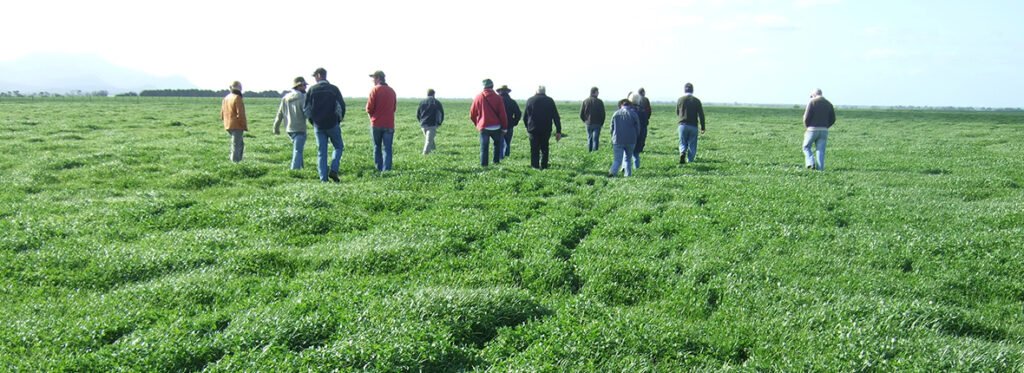
Right now, you may be feeling the squeeze from every direction.
Fuel prices are up. Fertiliser prices have soared. In some places, supply is uncertain or hard to get. And for many farmers, the real pressure is not just about the bills coming in this season. It is the deeper question sitting underneath it all:
How do you keep farming when the very things you have been told you need are becoming too expensive, too unreliable, or too hard to access?
That is an important question. Because for a long time, farming has been pushed down a path of dependence. Dependence on buying in fertilisers. Dependence on chemicals. Dependence on diesel. Dependence on outside inputs to keep the whole system going. And maybe this crisis is exposing something important that has been there all along.
Maybe the real problem is not just price.
Maybe the real problem is dependence itself.
Because the more your farm relies on inputs from outside the gate, the more vulnerable it becomes. Every rise in fertiliser prices hits harder. Every fuel increase cuts deeper. Every shortage adds more stress. Every season feels less secure.
But hidden inside this pressure is a real opportunity.
What if this is the moment to step back and ask a different question? Not, “Where can I get cheaper fertiliser?” but, “How can I need less of it?” Not, “What do I have to buy next?” but, “What has stopped working properly in my soil?”
That is where the real shift begins.
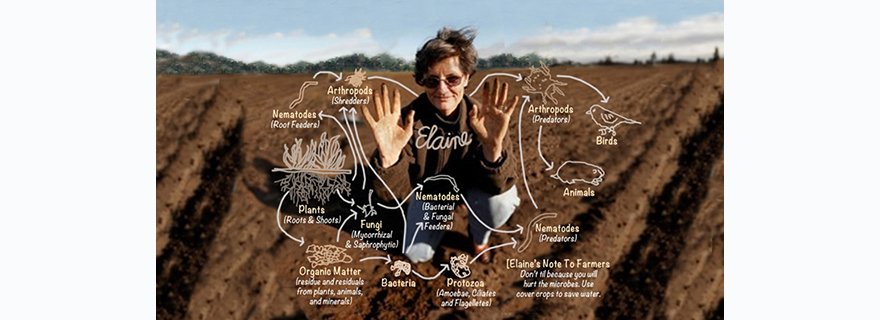
When you start feeding the soil instead of just feeding the crop, things begin to change. When you build healthy, living soil, nature starts doing more of the work for you. Biology begins cycling nutrients. Soil structure improves. Water-holding capacity increases. Plants become healthier. Pastures become more resilient. And over time, your dependence on expensive outside inputs can begin to decrease..
This is why so many regenerative farmers are in a stronger position today. They are not immune to rising fuel prices, but many are less exposed to the fertiliser and chemical crisis because they have already started building fertility on the farm itself. They are making compost. Using compost teas. Managing grazing more holistically. Keeping the soil covered. Reducing unnecessary disturbance. Working with the natural system instead of constantly trying to override it.
And that is the message we want to share with you.
This is not about blame. It is not about telling you that what you have done in the past was wrong. Most farmers followed the model they were taught. Most did what they believed was necessary to produce a crop or keep a farm going. But if this current crisis is showing us anything, it is that the old high-input model is fragile.
There is another way.
A way that starts with the soil.
A way that reduces chemical dependence.
A way that helps you build fertility from within your own farm.
A way that supports healthy, living, resilient soils.
And when you get that right, everything else follows.
That does not mean change happens overnight. It does not mean you throw everything out tomorrow. Good farming is practical. Thoughtful. Observant. Step by step. But the direction matters.
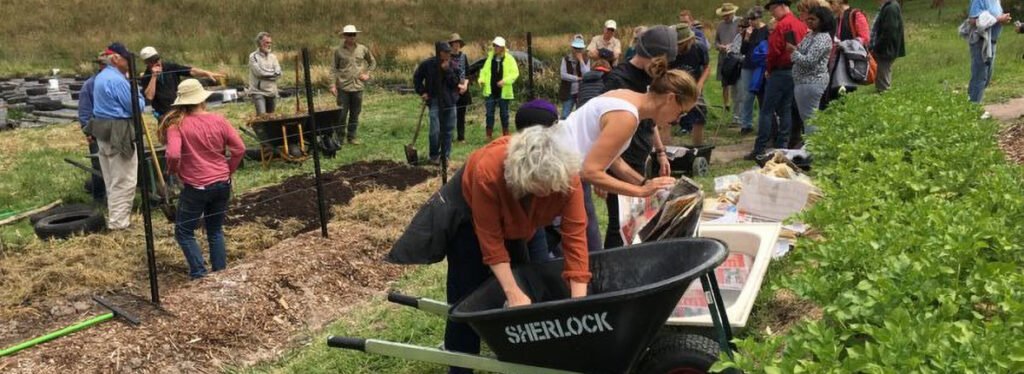
You can begin by learning how to make good compost. You can use compost teas to reintroduce life into tired soils. You can look at your grazing and ask whether your recovery times are long enough. You can reduce the practices that leave soil bare, stressed, and lifeless. You can start seeing that your greatest asset may not be the equipment in the shed, but the biology under your feet.
For graziers especially, this matters. Better grazing management can improve pasture recovery, increase diversity, strengthen roots, and keep more soil covered. Livestock can become tools to improve the land, not just mouths to feed. That can mean less or no bought in feed, less stress on the system, and greater resilience in tough times.
So perhaps this crisis is not just a hardship. Perhaps it is a wake-up call.
A wake-up call to build farming systems that are less dependent and more self-reliant.
A wake-up call to trust the power of living soil.
A wake-up call to work with nature instead of fighting it.
A wake-up call to build farms that are healthier, stronger, and more resilient for the future.
Because in a world of rising costs and uncertain supply, the farmers who learn to let nature do more of the work may be the ones most likely to thrive.
And maybe that is what farming can no longer ignore.





Responses