Toggle Side Panel
Soil Learning Center
Site Icon
  • Farming Secrets
  • Free Resources
    • Blog
    • Webinar Replay
    • Recommended Books
    • Facebook Group
    • 7 Steps to Healthy Soils
    • Free Gifts
  • Members Access PRO
    • Soli Lover Membership
    • Members Perks PRO
    • Farm Tours / Walk the TalkPRO
    • Gold Nuggets PRO
    • Mastermind Replays PRO
    • Regenerative Soil Mastermind CallPRO
  • Courses
    • All Courses
    • Featured Courses
    • Animal Health
    • Biodynamics
    • Compost and Compost Teas
    • Farming Systems
    • Human Health
    • Soil Health
  • My Courses
Toggle Side Panel
Soil Learning Center
  • Farming Secrets
  • Free Resources
    • Blog
    • Webinar Replay
    • Recommended Books
    • Facebook Group
    • 7 Steps to Healthy Soils
    • Free Gifts
  • Members Access PRO
    • Soli Lover Membership
    • Members Perks PRO
    • Farm Tours / Walk the TalkPRO
    • Gold Nuggets PRO
    • Mastermind Replays PRO
    • Regenerative Soil Mastermind CallPRO
  • Courses
    • All Courses
    • Featured Courses
    • Animal Health
    • Biodynamics
    • Compost and Compost Teas
    • Farming Systems
    • Human Health
    • Soil Health
  • My Courses
More options

    Shopping Cart

    No products in the cart.

    Sign in Sign up

    Shopping Cart

    No products in the cart.

    • Log In
    • Register
    • Get Started
    • Learn About Soil
      • What’s New
      • Blog
      • Farm Tours
      • Podcast
      • Webinar Replay
    • Buy Courses
      • All Courses
      • Featured Courses
      • Short Courses
    Close search

    “How to Use Compost in Grazing Systems: Dairy Beef Sheep — Tony Evans, Camperdown Compost”

    This webinar featured Tony Evans from Camp Gadarn Compost discussing composting practices and regenerative farming systems with Helen and Hugo Dizzler from Farming Secrets. Tony shared his 28-year journey in composting, beginning with his first meeting with Elaine Ingham in 1998, and explained the differences between compost teas and extracts, noting that extracts are more stable and replicable than teas.

    Tony discussed the economic benefits of compost, highlighting that their compost sells for $20 per tonne compared to $215 ex-yard for local products, and shared the success story of dairy farmers who formed a co-op to sell milk produced using compost-based practices. The webinar covered practical aspects including composting timelines, temperature requirements, and the importance of proper drainage and sulfate management when implementing compost systems.

    Tony also addressed questions about using invasive weeds in compost and the regulatory considerations for using brewery waste, emphasizing the need to consult with EPA authorities before proceeding with industrial waste materials.

    Chapter Highlights:

    Farming Webinar Composting Preparation

    The meeting focused on preparing for an upcoming webinar about composting on farms, featuring Tony Evans from Camp Gadarn Compost. Tony shared his experience meeting Elaine Ingham in 1998, which inspired his journey into commercial composting. Helen and Hugo Dizzler from Farming Secrets discussed webinar logistics, including managing questions and time constraints. The webinar was set to begin shortly, with participants being asked to share their interests and locations in the chat.

    Farm Composting Practices Evolution

    Tony discussed the evolution of composting practices on farms, highlighting the move from compost teas to compost extracts due to consistency and oxygen maintenance challenges. He emphasized the economic and environmental benefits of using compost, including its high nutrient content and ability to support soil health. Tony shared a successful case study of a dairy farmer, Reggie Davis, who significantly increased compost production and reduced reliance on conventional fertilizers. He also explored the potential applications of compost in cropping and grazing operations, suggesting that compost teas could help reduce the need for chemical sprays in cereal crops.

    Systems Approach in Sustainable Farming

    Tony discussed the importance of a systems approach in farming, emphasizing that compost is just one component among multiple management decisions needed for success. He shared a case study of a farm where improving drainage, using effluent water strategically, and planting multi-species mix were key to achieving positive results, rather than relying solely on compost application. Tony also addressed questions about compost pricing, explaining that while commercial compost can cost around $215 per tonne, farmers can make their own compost for approximately $20 per tonne by using available organic waste streams, though dairy farmers have an advantage due to readily available raw materials.

    Compost Tea vs Extracts Process

    Tony explained the differences between compost tea and extracts, noting that tea involves adding foods and aerating the mixture, while extracts use a larger volume of compost without added foods. He described the process of creating extracts, including the use of a vibrating screen and additional drum filtration. Tony also discussed the role of EM (Effective Microbes) in stabilizing compost tea and extracts, explaining how it helps maintain an aerobic environment and prevent anaerobic conditions.

    Composting Methods and Process Updates

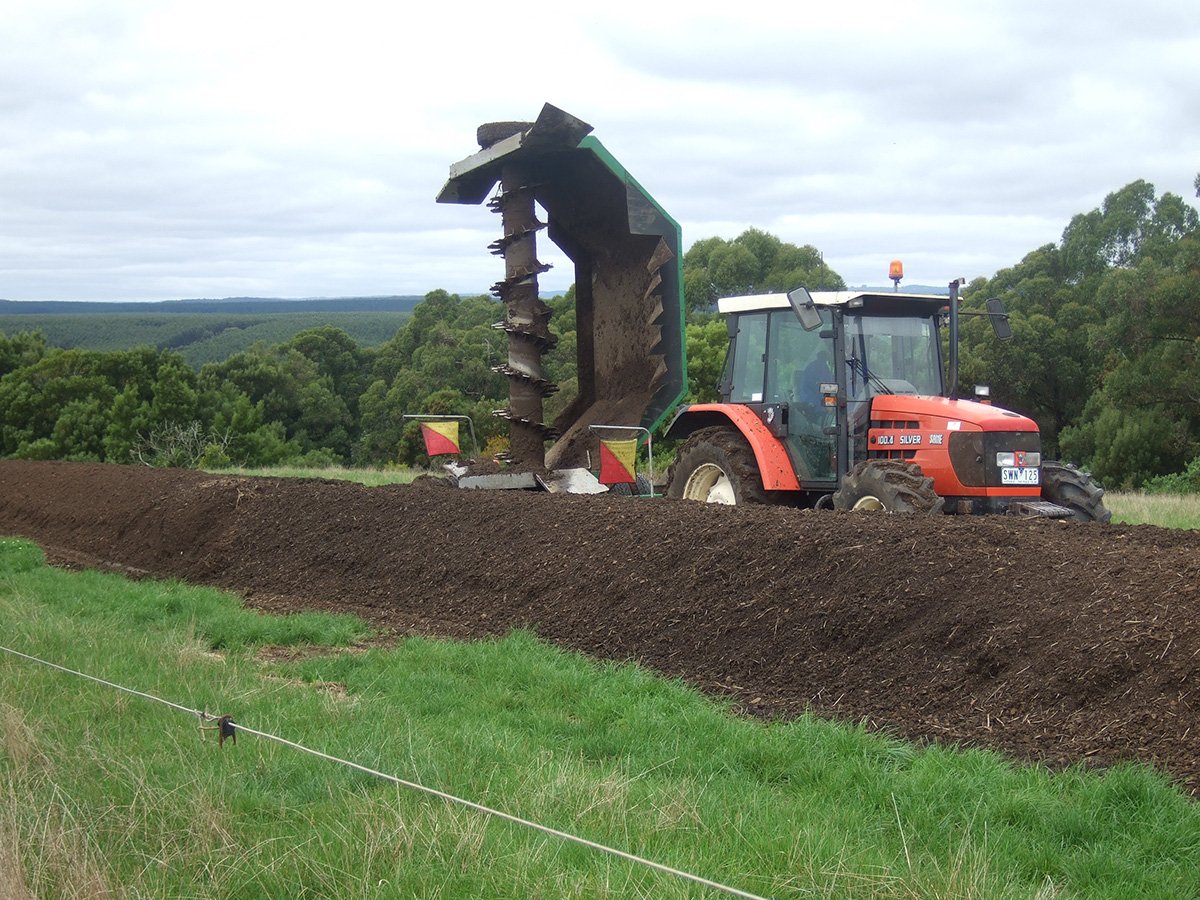
    Tony shared his experience using compost extracts on a wheat crop, noting that while the treatment showed promising results, the trial was complicated by sheep grazing the plot during a dry year. He explained the benefits of both worm composting and traditional composting, highlighting that worm composting can be simpler but requires more attention to pathogen management. Tony also detailed the timeline for their commercial composting process, explaining that they are transitioning to an aerated floor system that can produce mature compost in about 6 weeks, though the process meets Australian standards requiring 5 turns with specific temperature requirements.

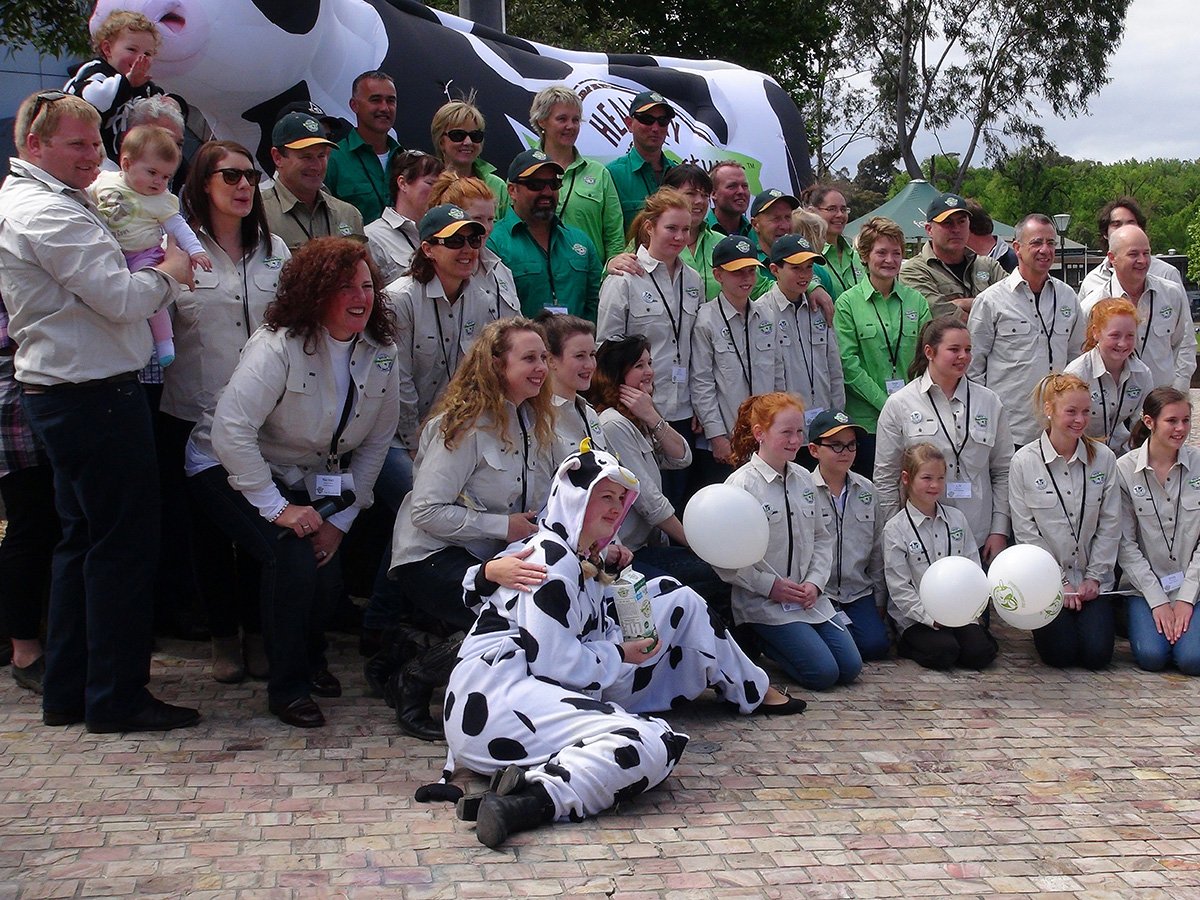
    Dairy Co-op and Composting Success

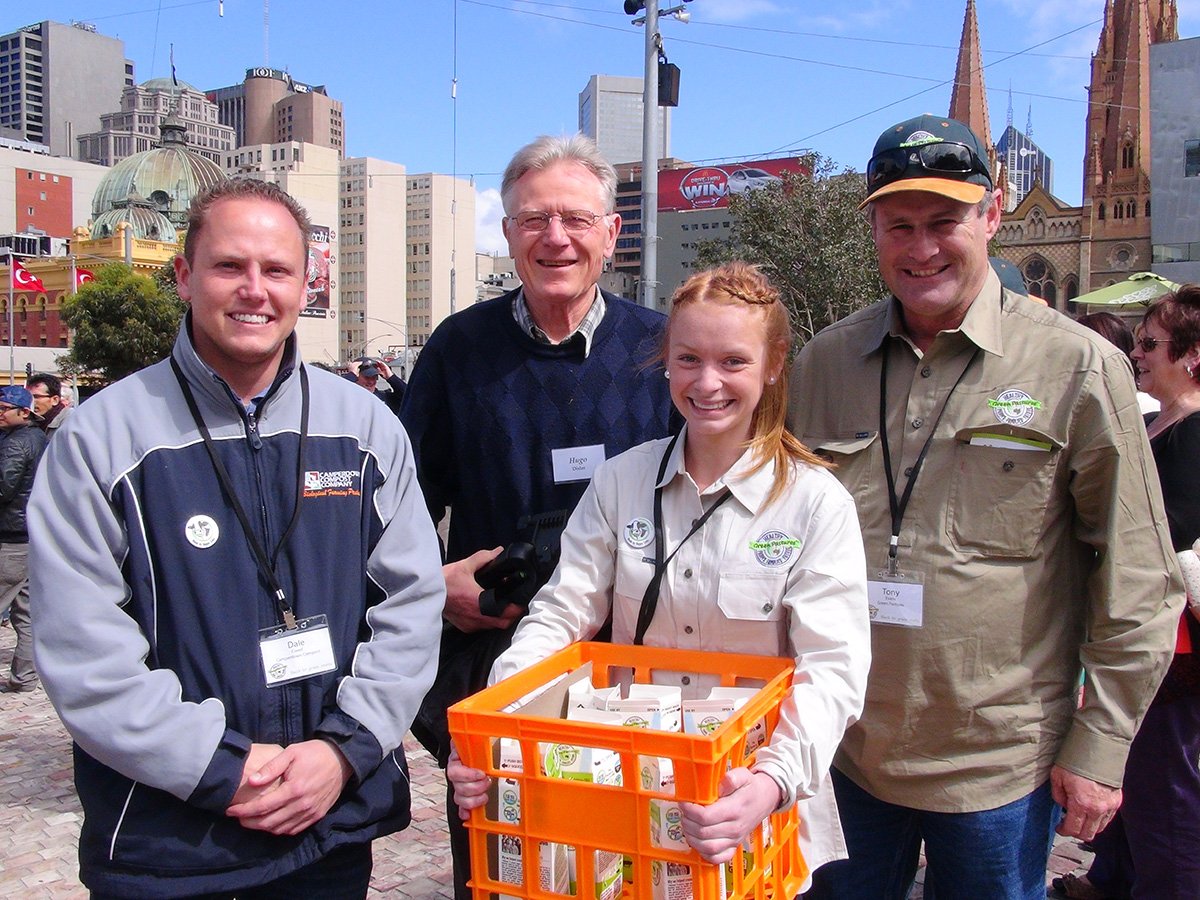
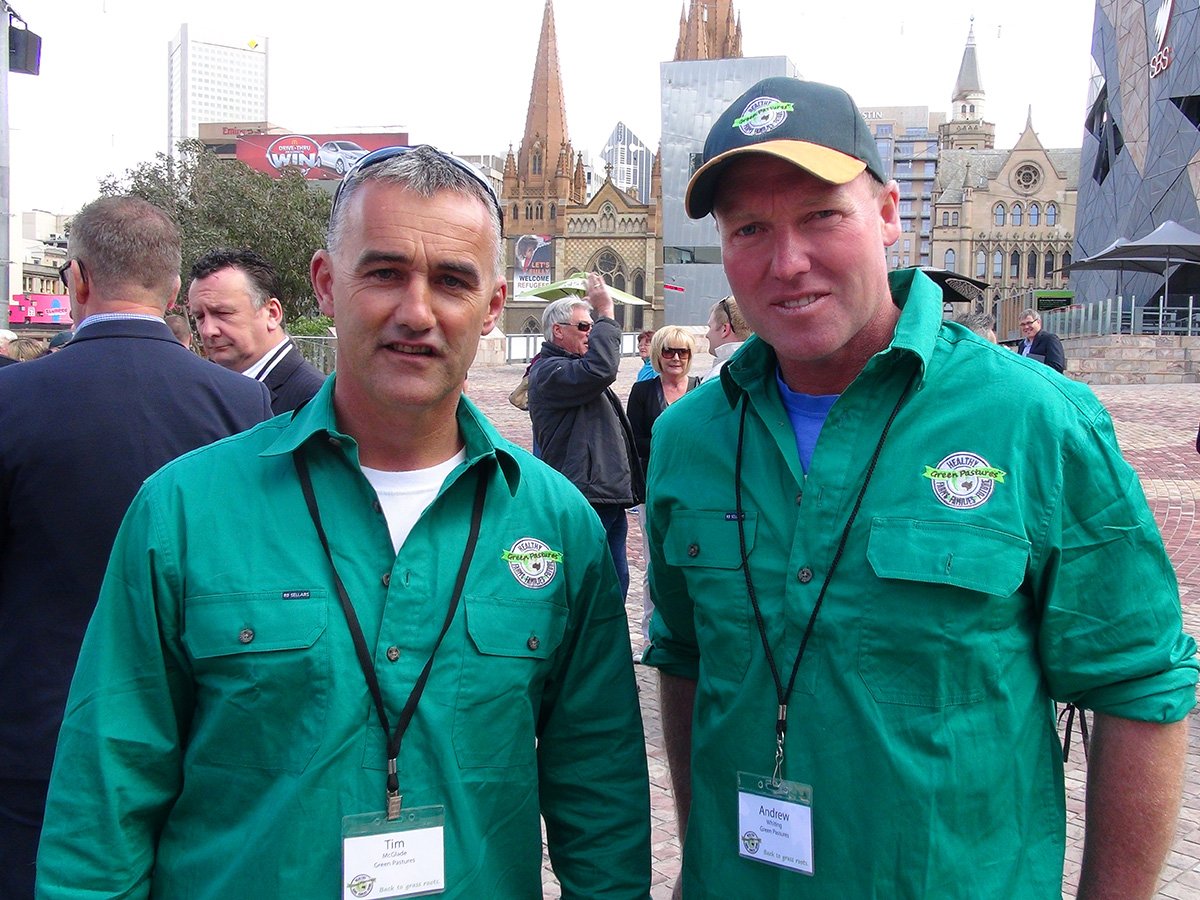
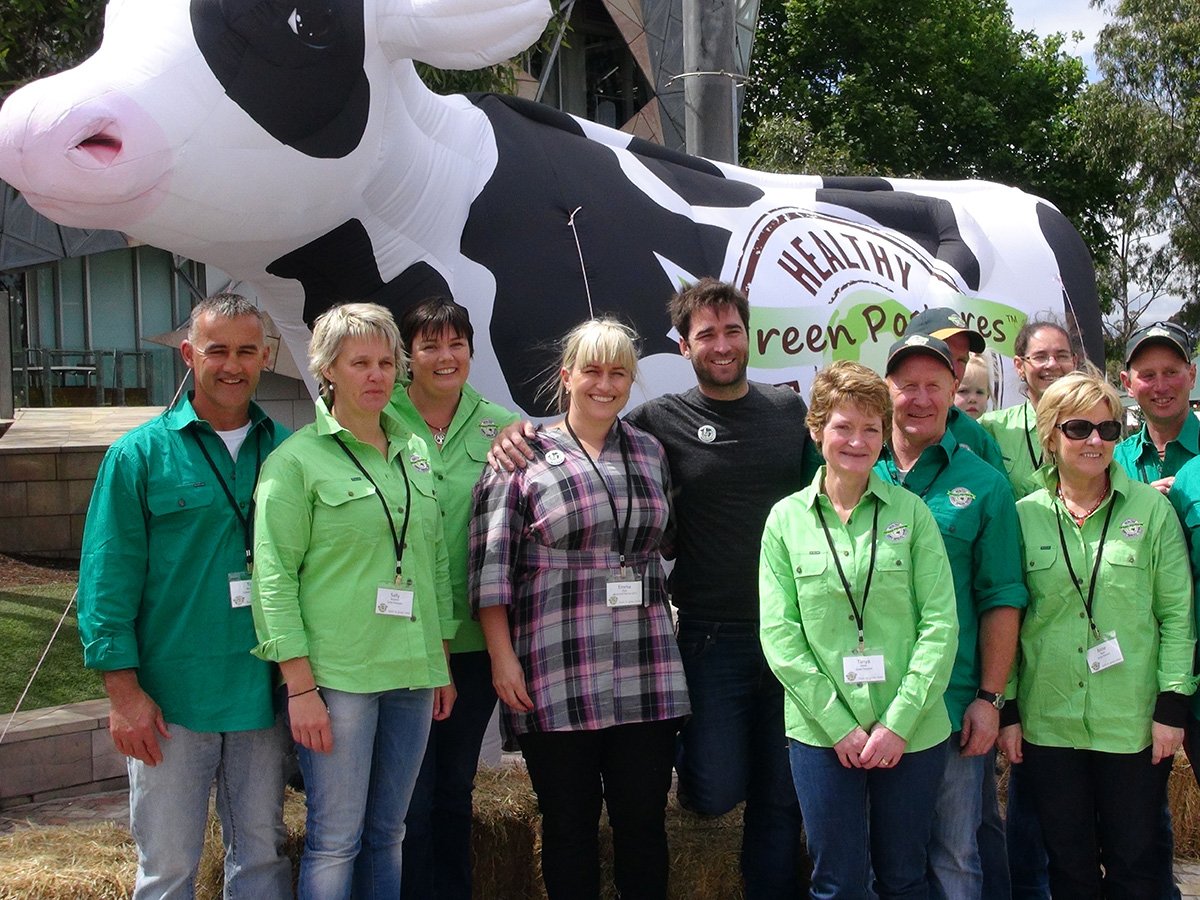
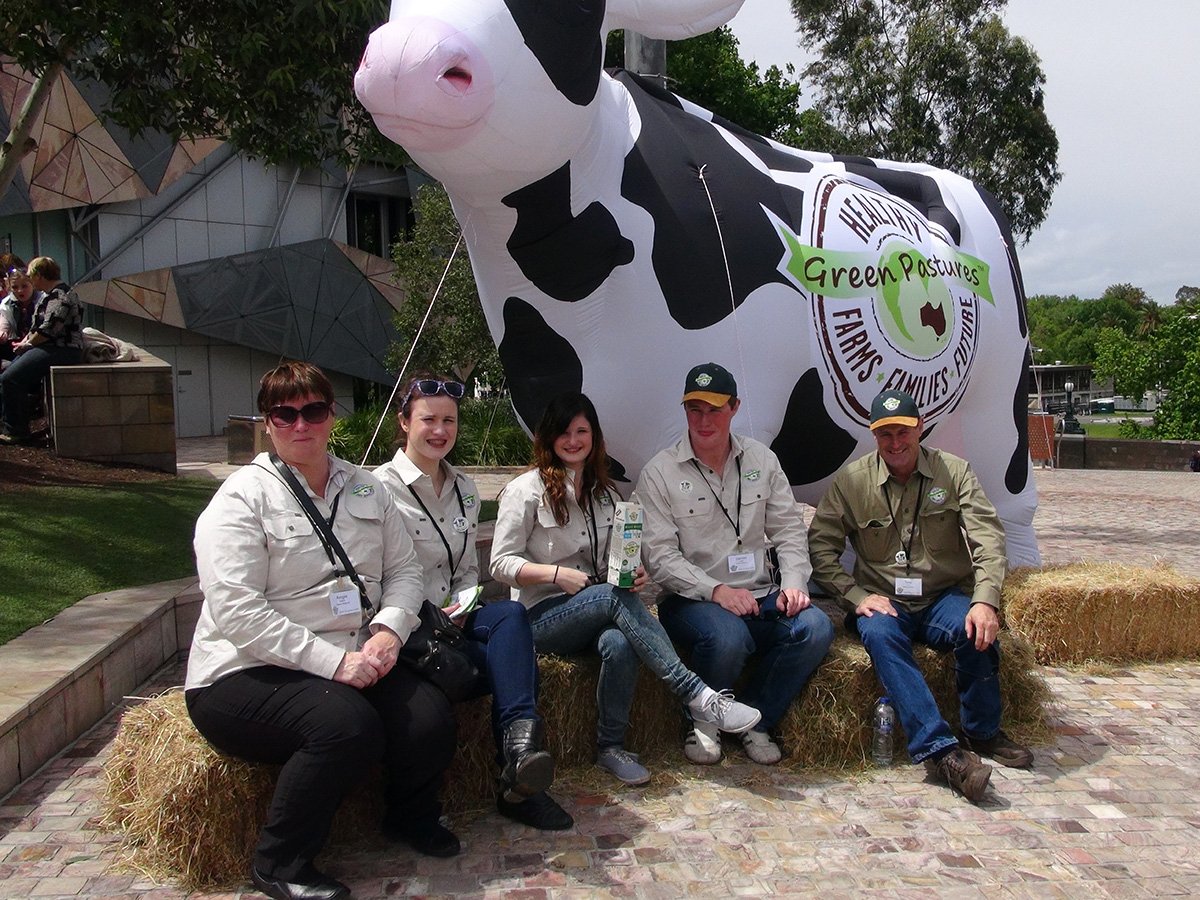
    Tony shared his experience launching a successful dairy co-op called Otway Pastures, which now sells over a million liters of milk monthly through Coles and IGA outlets. He explained how the co-op formed after dairy farmers approached him seeking better prices for their high-quality, compost-enhanced milk. The farmers established their own audit system requiring minimum 1 ton of compost per hectare annually and achieved Australian standards for compost application. The discussion included practical composting advice, including the importance of maintaining 55-70 degree temperatures for 3+ days and proper carbon-to-nitrogen ratios of 20-30:1. Tony also announced upcoming speaking engagements in New Zealand and Victoria, including regenerative farming workshops and training programs.

    🎧 Featured Podcast: “Tony Evans: Unlocking Soil Potential with Compost and Systems Thinking”
    In this episode, Tony Evans from Camperdown Compost shares insights on regenerative farming, composting, and systems thinking for soil health and farm productivity. Learn how to integrate compost, manage wet conditions, and optimize nutrient cycling for sustainable agriculture.
    Listen here: Tony Evans: Unlocking Soil Potential

    🎥 Featured Video: Camperdown Compost with Dr. Elaine Ingham
    Dr. Elaine Ingham — pioneer of the Soil Food Web — shares how compost restores soil biology, structure, and resilience. This video highlights practical strategies farmers can use to reduce inputs, improve water infiltration, and build healthier grazing systems.
    Watch now: Camperdown Compost with Dr. Elaine Ingham

    Restore your farm with Dr. Elaine Ingham’s Soil Food Web

    Healthy soil isn’t just dirt—it’s a living ecosystem. For decades, farmers focused mainly on chemistry: nutrients, pH, and amendments. But Dr. Elaine Ingham changed the conversation.

    She revealed that beneath every field lies a dynamic web of life—microbes, fungi, and organisms working together to cycle nutrients, build structure, retain water, and support resilient plants. This living network is the Soil Food Web, and it’s the missing link in truly regenerative agriculture.

    Dr. Elaine’s legacy is clear: if we want productive, resilient farms, we must understand and nurture the life in our soil.

    Explore Dr. Elaine Ingham’s Soil Food Web legacy

    We acknowledge First Nations owners of Country and their continuing connection to the land, waters and culture across Australia and from all over the world. As Soil Lovers we respectfully acknowledge the Traditional Custodians of all the lands on which we work and pay our respects to the Elders past present and emerging. When caring for your land take a moment in stillness to respect the wisdom your land is sharing with us.

    Facebook-f X-twitter Instagram Youtube Microphone-alt

    Latest Soil Blogs

    Is Elaine Ingham’s Soil Food Web Training a Biological System for Farmers?

    Could This Crisis Be Revealing What Farming Can No Longer Ignore?

    The Soil Food Web: Understanding the Living Foundation of Healthy Soil

    What A Brix Reading Really Tells You (in plain farmer words)

    The Hidden Link Between Chemical Farming and Human Health

    The Connection Between Human Health and Farming Without Toxic Chemicals

    Soil Matters Monthly Newsletter!

    Dig into the most up-to-date news on soil health and regenerative trends – with community tips from top experts and mentors! Sign Up Now!

    ©2006 - 2025 All rights reserved.

    Made with 🤎 Created by Soil Lovers at Farming Secrets.

    Omg... this sale is crazy!

    Days
    Hours
    Minutes
    Seconds

    hurry up and grab these deals:

    • 50% Courses
    • 30% Digital Downloads
    • 30% Memberships
    View all the deals