
Is Elaine Ingham’s Soil Food Web Training a Biological System for Farmers?

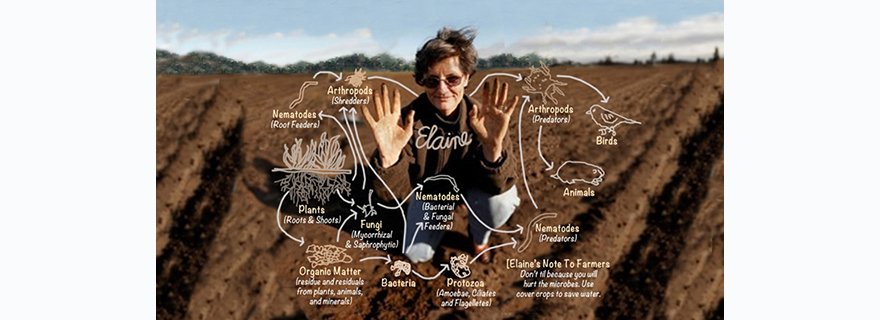
Most farmers know when something is not right in the paddock. The crop may look stressed, the pasture may thin out, water may run off instead of soaking in, and fertiliser bills may keep climbing. Elaine Ingham’s approach offers a different way of looking at these problems. Instead of treating soil as dirt that needs more inputs, it teaches farmers to see soil as a living biological system. The soil is made up of bacteria, fungi, protozoa, nematodes, micro-arthropods and many other organisms working together beneath our feet. These organisms need to be supported with biologically appropriate practices and inputs, rather than continually disrupted by synthetic inputs and heavy disturbance [1][2].
If you are looking to farm more regeneratively, the first step is to observe the paddock carefully. Bare ground, compaction, poor water infiltration, weeds, disease and weak roots are not just random problems. They are signs that the soil system may not be functioning properly. Careful observation helps you see what the land is already telling you before spending more money on inputs.
The next step is to check the biology in the soil. A simple place to begin is to look for earthworms, soil smell, crumb structure and root growth. A more comprehensive method is to use a microscope to see what organisms are actually present. Elaine’s approach shows that many of the most important soil processes are carried out by microorganisms. When you understand what biology is present, you can make better decisions instead of guessing [1].
Reducing damage is also essential. Heavy disturbance, harsh chemicals, overgrazing and bare soil can weaken the very life that should be cycling nutrients, building soil structure and supporting healthy roots. When soil is alive and functioning well, it is better able to cycle nutrients, hold water, infiltrate rainfall and maintain structure [2].
A practical tool for rebuilding soil life is good aerobic compost. Compost can help return beneficial organisms to the farm system, supporting healthier plants and more resilient soils. Compost extracts or teas can also be used to apply that biology back into the soil and onto plant surfaces. This helps you move from simply feeding plants to restoring the life that feeds and protects plants.
Keeping living roots in the ground is another key part of the system. Plants feed soil organisms through root exudates, and in return, the biology helps make nutrients available to the plant. The more often you have living roots in the soil, the more opportunity there is to feed and rebuild the underground workforce.
Soil cover and plant diversity strengthen the whole system. Mixed pastures, cover crops and diverse plant species provide different root types, different foods for soil organisms and better protection for the soil surface. From there, you need to keep monitoring results. Root depth, soil structure, water holding, plant health and input costs all tell the story. In simple terms, Elaine’s system teaches you to feed the soil life that feeds the plant — and that is where true regeneration begins.
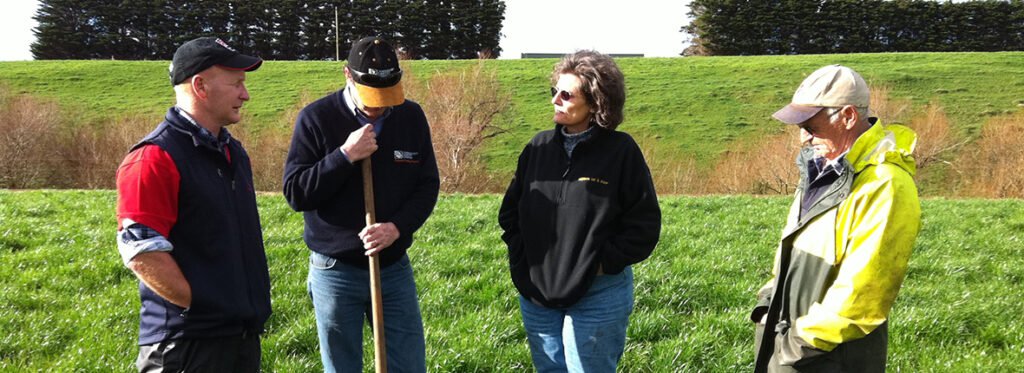
Photo Above: Elaine Ingham with Tony Evans visiting on farm with dairy farmers
References:
1.
soilfoodweb.com – How It Works – Soil Food Web School – Regenerating Soil
2.
soillearningcenter.com – Understanding the Living Foundation of Healthy Soil




Responses