
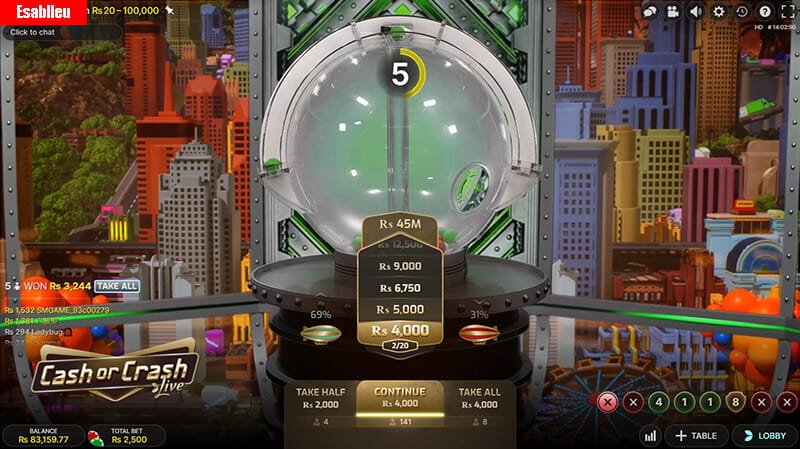
If you’re a United Kingdom developer looking to build interactive gaming features into your app, the Cash or Crash Live API gives you the tools to do it https://cashorcrashlive.net/. This guide details the technical details: endpoints, how to authenticate, and what the data resembles. You will discover how to connect directly to the game’s real-time engine to stream live odds, process bets, and create interactive experiences.
Overview of the Cash or Crash Live API Ecosystem
Consider the Cash or Crash Live API as a direct line into the game’s inner workings. It’s a RESTful API that uses JSON, so it fits right into most modern web and mobile projects. Because live multiplier games move fast, the entire system is built for speed and can scale to handle heavy traffic.
Prior to starting coding, it helps to know what’s available. The API isn’t one single thing; it’s a set of services that work together. You have the main service for game state, a WebSocket feed for live events, a module for payments, and endpoints for user data. This setup allows you to choose what you need, whether that’s just a live multiplier ticker or a complete betting interface.
Central Game Data APIs and Response Formats
Much of your effort will center on endpoints that obtain game data. The primary endpoint gets the current game state: the round ID, the live multiplier, and how much time has gone by. The data is returned as JSON, which is straightforward to work with. You can also retrieve data from past rounds for analytics or to display trends.
This is what a typical response from /api/v1/game/state resembles:
round_id: A distinct identifier for the current game round.current_multiplier: A decimal number representing the live multiplier.status: The round’s current status (e.g., “active”, “crashed”, “payout”).timestamp: An ISO 8601 formatted timestamp of the latest update.participants: An anonymous count of active players in the round.
This standardized format makes it simple to plug the data into your frontend. When an error occurs, error responses follow a similar standard layout, always with a code and a concise message to help you debug.
Account Balance and Wallet Connection
A seamless wallet experience is vital. The API has methods to securely check a user’s present balance, but it consistently needs the proper user context. It’s essential to understand what this API doesn’t do: it doesn’t manage deposits or withdrawals. Those fiscal operations must go through a distinct, regulated payment service provider (PSP).

The Cash or Crash Live API’s role is to display the findings of those outside transactions. When a user adds money via the PSP, the PSP transmits a callback to the game’s backend. That modifies the user’s balance, and the /api/v1/user/balance endpoint will then show the new amount. Maintaining these systems separate ensures the money handling stays within a regulated framework.
Your design must hold these two flows in sync: the PSP manages the money movement, and the Game API displays the balance and approves bets. If they get out of sync, you’ll see discrepancies. This renders reliable server-side logging and careful handling of PSP webhooks mandatory.
API Authentication and Protection Standards
Security isn’t an afterthought here. Each request you send needs a proper API key, which you get when you sign up as a partner. You pass this key in the header of each HTTP call. All data moving between your server and theirs is encrypted with TLS 1.2 or stronger, keeping private information protected.
Authorization is just the start. The API uses a granular permission model. Each key you create can be confined to certain actions, like read:game_state or write:bet. This “least privilege” method means if a key is leaked, the harm is limited. Safeguard your keys attentively. Do not putting them in front-end code or public GitHub repos.
Creating and Managing API Keys
You generate and oversee your API keys through the Cash or Crash Live developer portal. The portal allows you to set up separate keys for development (sandbox) and production (production) environments. Plan to renew your keys from time to time. If you suspect a key has been exposed, you can invalidate it instantly in the portal and generate a new one.
Rate Limiting and Message Authentication
The API enforces rate limits to every endpoint to keep the system reliable for everybody. Your restrictions are tied to your API key, and you can see them in the response headers. For active applications, you’ll be required to handle request queues and handle errors gracefully. On top of this, some important endpoints for placing bets require you to sign your request with a secret key to confirm it hasn’t been tampered with.
Live Updates Via WebSocket Connections
When you simply poll the REST API, your app will not feel truly live. That’s where the WebSocket endpoint comes in. When you initiate a connection and authenticate, you can subscribe to channels like live_multiplier or round_updates.
This connection pushes updates the moment the game changes. You can build a live-updating graph, trigger crash notifications, or reload a leaderboard without any delay. The stream is designed for speed, transmitting small packets of data to avoid bogging down your client.
Managing Connection Lifecycle and Errors
A robust WebSocket setup needs handle disconnections. Create logic to automatically reconnect if the network drops, and use a backoff strategy to prevent hammering the server. The API transmits heartbeat packets to hold the connection open, and your client needs to acknowledge them. Every message contains a sequence number, so you can handle them in the right order if they show up jumbled.
Placing Bets and Managing Transactions
The betting endpoints represent where things get intense. Having correct permissions, your app is able to place bets for users, check on a bet’s status, and execute cash-outs. These calls are restricted and often require signed requests. The standard flow is to hold a bet amount, verify the placement, and then get back a unique ticket ID for tracking.
You can place different kinds of bets, including auto-cash-out targets. The endpoints provide you instant feedback. They’ll tell you if a bet was unsuccessful because the user’s balance was too low or the round had already closed. Because networks can prove unreliable, your code must use idempotent retry logic to prevent mistakenly placing the same bet twice.
Cash-Out Requests and Settlement Resolution
Cashing out is a basic POST request to a designated endpoint with your bet ticket ID. The API verifies that the bet remains active and that the present multiplier fulfills any auto-cash-out rules. If it succeeds, the system generates a payout transaction instantly. You can then check another endpoint or observe the WebSocket stream for the definitive confirmation before updating the user’s displayed balance.
Best Practices for Integration and Error Management
Follow these guidelines to avoid common issues. Begin in the sandbox. This test environment mimics production but uses virtual money, so you can experiment safely. Track all your API interactions, but be clever about it. Mask sensitive details like API keys, while preserving request IDs to help with debugging later.
Account for errors from the beginning. The API uses standard HTTP status codes plus its own set of error codes. Your code should deal with network timeouts, rate limits (error 429), authentication failures (401 or 403), and bad requests (400). For temporary glitches, implement retry logic with a bit of random backoff. If the API goes down for a while, your app should have a fallback mode to notify users.
Performance Optimization and Storage Techniques
Strategic caching lightens the load on your servers and renders your app feel more responsive. You can confidently cache static data, like summaries of game rounds that ended more than a few minutes ago. Never caching live data, such as the current multiplier or a user’s open bet. For data that changes sometimes, use conditional requests with ETag or Last-Modified headers where the API supports them to conserve bandwidth.
Staying Updated with API Versioning
The Cash or Crash Live API uses versioning. You can see the version, like v1, straight in the endpoint URL. Monitor on the official developer portal and changelog for news about updates or features being phased out. The team gives you a migration period when a new version comes out. Creating version checks into your process stops a surprise breaking change from crashing your live application.

