
Most Compost Makers Don’t Know the Answers to These 10 Questions… Do You?

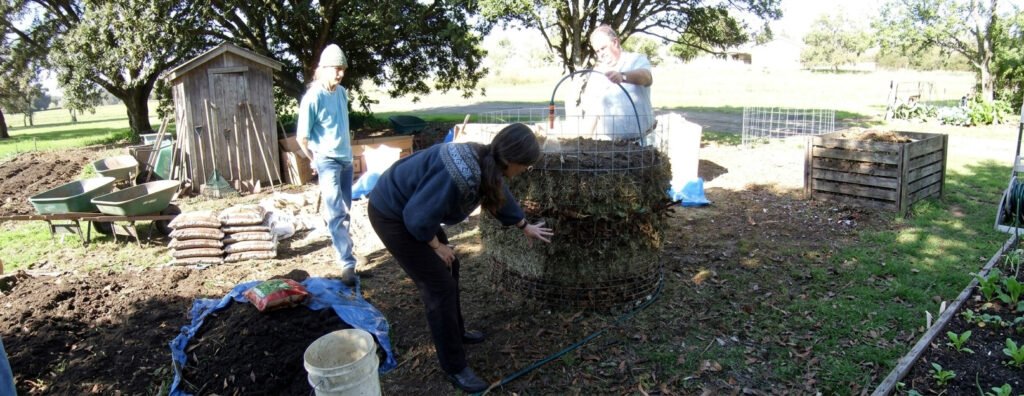
Every compost maker starts with the same goal: to turn organic materials into rich, living compost that improves soil health and plant growth.
But somewhere along the way, questions begin to appear.
Why did my compost pile get too hot?
Should fresh grass really be treated as a nitrogen source?
Can I use weeds?
Why won’t my compost grow fungi?
Does the quality of my water really matter?
These aren’t beginner’s questions. They’re the questions that determine whether you produce average compost—or compost that is biologically rich and capable of transforming your soil.
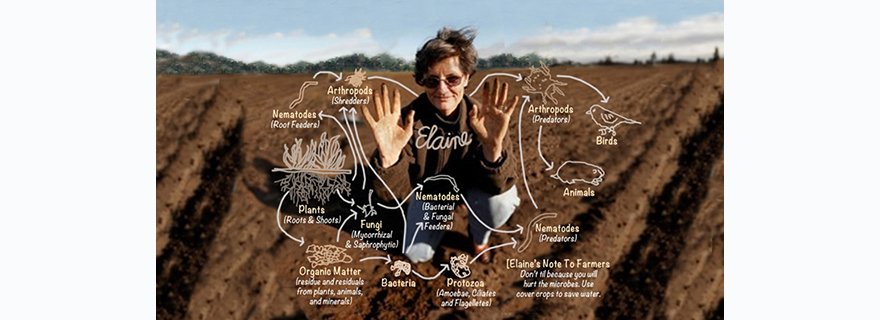
Over the years, Dr Elaine Ingham has answered thousands of questions from farmers, growers and gardeners around the world. Certain questions come up time and time again because they solve the problems almost everyone encounters.
Here are ten of the most valuable. How many do you already know the answer to?
1. Should I treat fresh grass clippings as a high-nitrogen material?
Short answer
Often, yes, especially in the first flush of spring growth. Grass does not always behave like a fixed 30:1 carbon-to-nitrogen material. Early growth can be nitrogen-rich, while older, dry or senescent grass becomes much more carbon-rich.
Why it matters
Getting the nitrogen balance wrong is one of the fastest ways to create overheating, odours and ammonia loss.
Field takeaway
Judge grass by its stage of growth and condition. Fresh young grass belongs closer to the high-nitrogen side of the recipe. Older dry grass belongs closer to the carbon side.
2. Can I use weeds and mixed grass as compost ingredients?
Short answer
Yes, if they are suitable and handled correctly. Mixed green material can be valuable, but you need to consider seed heads, disease, herbicide exposure and whether the material is fresh, dry or fermented.
Why it matters
Farmers often have abundant weeds and grass, but using them blindly can introduce problems or unbalance the pile.
Field takeaway
Use clean, unsprayed green material before it sets seed where possible. Mix it well with woody and leafy materials so the pile stays aerobic.
3. How can I get more fungi into my compost?
Short answer
Fungal compost usually needs the right starting materials, gentle handling, enough moisture and appropriate fungal foods. Woody, high-carbon materials help, but they must be balanced and inoculated with active biology.
Why it matters
Many growers add wood chips and still do not see fungal dominance because food, moisture, structure or inoculum is missing.
Field takeaway
Add diverse woody material, protect air spaces, keep moisture right and inoculate with good fungal compost or suitable forest material when appropriate.
4. Can an overheated, ammonia-smelling pile be saved?
Short answer
Often it can be improved, but ammonia smell means nitrogen is being lost and the pile likely has too much high-nitrogen material or too little carbon and air.
Why it matters
Ammonia is a warning sign that valuable nitrogen is leaving the system.
Field takeaway
Turn the pile, add carbon-rich material if needed, restore oxygen and moisture balance, then monitor temperature closely.
5. When should I turn a pile sitting between 58°C and 65°C?
Short answer
A pile in this temperature range is active, but it should not be left too long. Turning after the required hot period helps prevent overheating, anaerobic pockets and loss of diversity.
Why it matters
Temperature management protects both pathogen reduction and beneficial biology.
Field takeaway
Track temperature daily. Do not rely on one reading. Turn when the pile has held heat long enough or when it risks going too hot.
6. How much compost should I apply to pastures?
Short answer
Rates depend on compost quality, soil condition, goals and available material. More is not always better if the compost is not high quality.
Why it matters
Application rate matters, but biology and coverage often matter more than volume alone.
Field takeaway
Start with a practical rate you can apply evenly, then monitor soil response, pasture growth and biology.
7. Should I prepare the ground before applying compost or compost tea?
Short answer
Yes, where possible. Reduce compaction, maintain cover, avoid chemical disruption and make sure soil has moisture so biology can survive.
Why it matters
Biology needs habitat. Applying compost to hostile conditions limits results.
Field takeaway
Apply into moist soil with living roots or plant cover when possible. Avoid hot, dry, exposed conditions.
8. How do molasses, fish hydrolysate and seaweed affect compost tea?
Short answer
Molasses tends to support bacteria, fish hydrolysate is often used to support fungi, and seaweed can provide nutrients and stimulants. Ratios matter.
Why it matters
The food mix shapes which organisms multiply in the brew.
Field takeaway
Choose foods based on the biology you need, then keep oxygen high and avoid overfeeding.
9. Why is foam on compost tea a concern?
Short answer
Foam can indicate excess food, surfactants, proteins or microbial activity that may be pulling oxygen down. It is not a reliable sign of quality.
Why it matters
Many people mistake foam for proof that the tea is good.
Field takeaway
Do not judge compost tea by foam. Judge it by smell, oxygen, microscope assessment and plant-safe practice.
10. Is salty or poor-quality water a problem for compost and compost tea?
Short answer
Yes. High salts, chloramine, chlorine or unsuitable pH can stress or harm biology. Water quality should be checked before brewing or applying.
Why it matters
Water is often the hidden reason compost tea or soil biology fails.
Field takeaway
Test water where possible. Treat chlorine or chloramine appropriately and be cautious with high-salt bore or brackish water.
Want Even More Compost Answers?
If you liked these ten questions and you’d like thirty more, click the link below and sign up to receive your free copy of 40 Compost & Compost Tea Questions Every Grower Asks
Inside you’ll discover practical answers to the questions farmers, growers and gardeners ask most often—helping you avoid costly mistakes, troubleshoot problems with confidence and produce healthier, biologically active compost every time.





Responses